








 English
  Français
  Español


Content
- 1 Deck vs. Patio: The Core Difference in Plain Terms
- 2 How Construction Changes the Project: Framing vs. Base Prep
- 3 Materials and Feel Underfoot: What You’re Really Choosing
- 4 Cost and Timeline: Where the Money Usually Goes
- 5 Maintenance and Longevity: What Ownership Looks Like After Year One
- 6 Permits, Safety, and Accessibility: Where Decks Differ the Most
- 7 Drainage and Yard Conditions: When One Choice Clearly Fits Better
- 8 Decision Checklist: Pick the Best Option for Your Home
Deck vs. Patio: The Core Difference in Plain Terms
If you’re searching for the difference between a deck and a patio, the simplest distinction is structural: a deck is an elevated platform supported by framing and posts, while a patio is a ground-level surface built on a prepared base.
That single difference affects everything else—permitting, safety requirements, cost, drainage, maintenance, and how the space feels underfoot.
Quick identifiers
- Deck: typically sits above grade, uses joists/beams/posts, may connect to the house ledger.
- Patio: sits on grade, relies on compaction and a base layer, finished with concrete, pavers, stone, or tile.
How Construction Changes the Project: Framing vs. Base Prep
A deck’s performance depends on structural engineering: load paths, beam sizing, fastening, and footings. A patio’s performance depends on earthwork: excavation depth, base thickness, compaction quality, and slope for drainage.
Deck build essentials (what drives quality)
- Footings placed below the local frost depth to prevent seasonal heave.
- Proper ledger attachment (when used) and water management (flashing) at the house connection.
- Guardrails, stair geometry, and lateral bracing when elevated.
Patio build essentials (what drives quality)
- Excavation to accommodate a compacted base plus the finish surface.
- A consistent slope away from the home for runoff management.
- Edge restraint (common for pavers) to prevent lateral spreading.
Materials and Feel Underfoot: What You’re Really Choosing
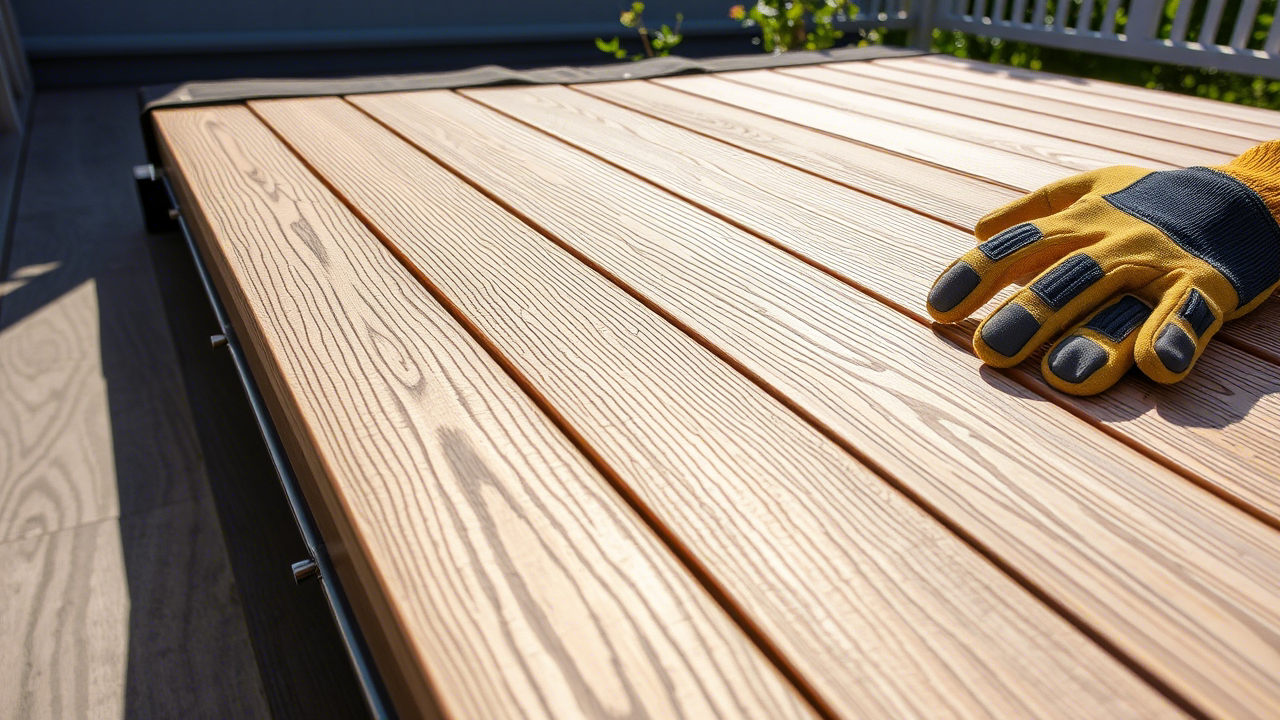
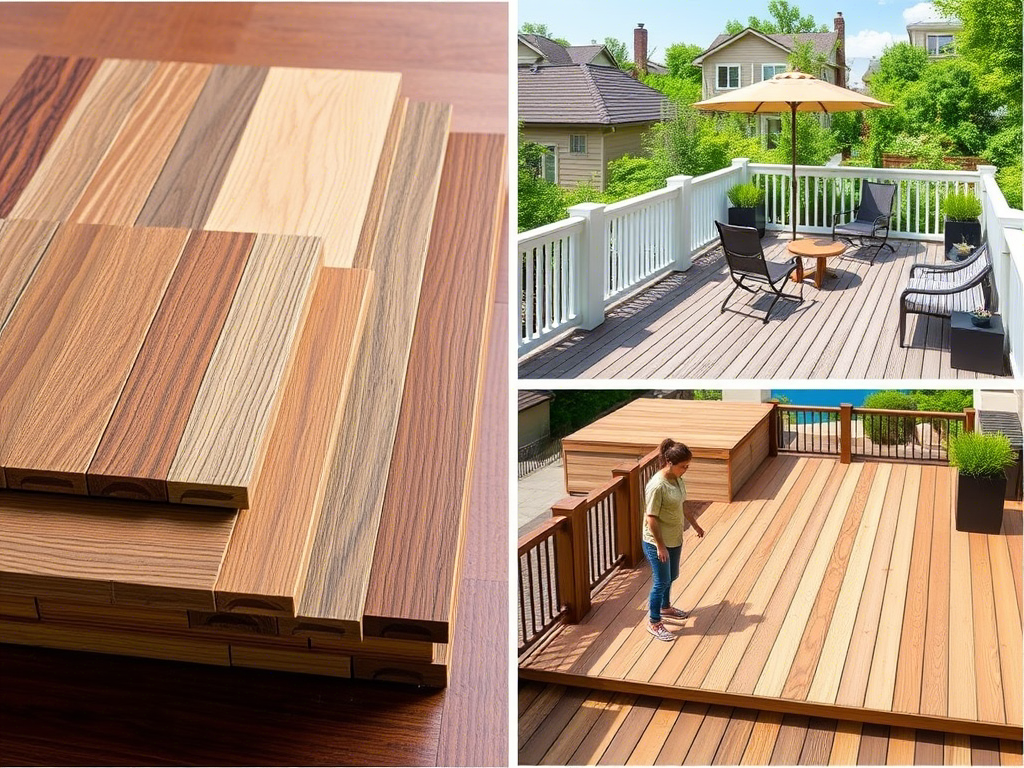
The deck-or-patio decision often becomes a materials decision. Deck surfaces are typically wood or composite boards; patio surfaces are typically concrete, pavers, brick, or natural stone. Each behaves differently in heat, moisture, and wear.
Common deck surface options
- Pressure-treated lumber: lower upfront cost; needs periodic sealing/staining; can splinter as it ages.
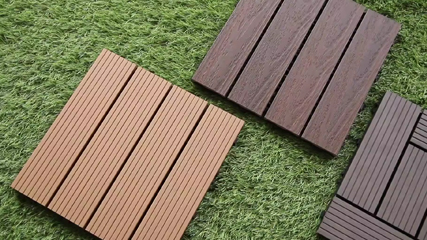
- Composite decking: higher upfront cost; typically lower routine maintenance; can get hot in direct sun depending on color and exposure.
Common patio surface options
- Poured concrete: clean look and fast install; may crack over time; finishing choices affect slip resistance.
- Concrete pavers or brick: modular repairs (swap individual units); strong aesthetics; base prep quality is critical.
- Natural stone: premium appearance; variable thickness can increase labor; excellent durability when properly installed.
Cost and Timeline: Where the Money Usually Goes
Costs vary by region, access, demolition needs, and complexity, but decks usually carry more structural labor, while patios often carry more site prep and base work. As a practical planning range, many homeowners see patios cost less per square foot than elevated decks of similar size and finish level.
| Feature | Deck (common range) | Patio (common range) |
|---|---|---|
| Installed cost per sq ft (basic–mid) | $30–$60 (wood); $45–$90 (composite) | $8–$20 (concrete); $15–$30 (pavers) |
| Typical schedule for a standard project | Several days to 2+ weeks (permit/inspection can add time) | 1–7 days (curing time for concrete may limit early use) |
| Cost drivers that spike budgets | Stairs, multi-level framing, railings, lighting, premium decking | Poor soil, heavy excavation, drainage fixes, premium stone, patterns |
Example: If your yard drops away from the house, a deck can create usable level space without massive excavation. Conversely, in a flat yard with good drainage, a patio can deliver the same entertaining footprint at a lower installed cost.
Maintenance and Longevity: What Ownership Looks Like After Year One
A deck is exposed on all sides—sun, rain, and airflow—so surface maintenance matters more. Patios are durable but can settle, shift, or crack if base prep or drainage is inadequate.
Practical upkeep comparison
| Topic | Deck | Patio |
|---|---|---|
| Routine cleaning | Wash boards; clear debris between gaps | Sweep/wash; treat mildew as needed |
| Periodic protection | Wood often needs sealing/staining every 2–3 years depending on exposure | Concrete/pavers may be sealed for stain resistance (optional) |
| Common long-term issues | Warping/splinters (wood), fastener corrosion, rail wear | Settlement, shifting pavers, cracking, joint weed growth |
If you want the lowest routine maintenance, a well-installed paver patio or a quality composite deck often outperforms unfinished wood. If you enjoy refinishing projects and prefer the look of natural lumber, a wood deck can still be a strong choice.
Permits, Safety, and Accessibility: Where Decks Differ the Most
Because decks are structural and can be elevated, they are more likely to trigger permitting, inspections, and safety rules (especially for stairs and railings). Patios may still require permits in some areas, but the safety profile is usually simpler.
Deck-specific safety realities
- Elevated decks commonly require guardrails and code-compliant stairs.
- Ledger flashing and water management at the house are critical to avoid hidden rot.
- Higher fall risk means details like rail height and spacing are not optional.
Accessibility considerations
If step-free access is a priority, a patio usually wins: it can align with walkways and doors with minimal elevation changes. Decks can be made accessible, but ramps and longer approaches add cost and space requirements.
Drainage and Yard Conditions: When One Choice Clearly Fits Better
Site conditions often decide the deck-versus-patio question faster than aesthetics. Drainage, slope, and soil stability affect patios more; elevation and connection details affect decks more.
Choose a deck when these conditions apply
- Your yard slopes away and you want a level entertaining area without major excavation.
- You want to “float” above poor drainage zones (while still directing water properly at the house).
- You want views or a walk-out feel from a higher door level.
Choose a patio when these conditions apply
- Your yard is relatively flat and you can slope the surface away from the home.
- You want heavy features like a fireplace, outdoor kitchen, or hot tub pad (often easier at grade).
- You prefer a seamless transition to lawns, gardens, and walkways.
Decision Checklist: Pick the Best Option for Your Home
Use the checklist below to make a practical decision that aligns with your site, budget, and maintenance tolerance. The goal is not “deck vs. patio in general,” but what performs best for your exact property.
A simple decision flow
- If the yard is sloped and you need level space with minimal earthwork, lean deck.
- If you want step-free access and a grounded “courtyard” feel, lean patio.
- If you want the lowest upfront cost per square foot, price a basic patio first.
- If you want minimal routine maintenance, compare composite decking to pavers.
- If permitting complexity is a concern, confirm local rules early—then design accordingly.
Bottom line: a deck is usually the better tool for elevation and slope; a patio is usually the better tool for durable, accessible, ground-level outdoor living.