












 English
  Français
  Español


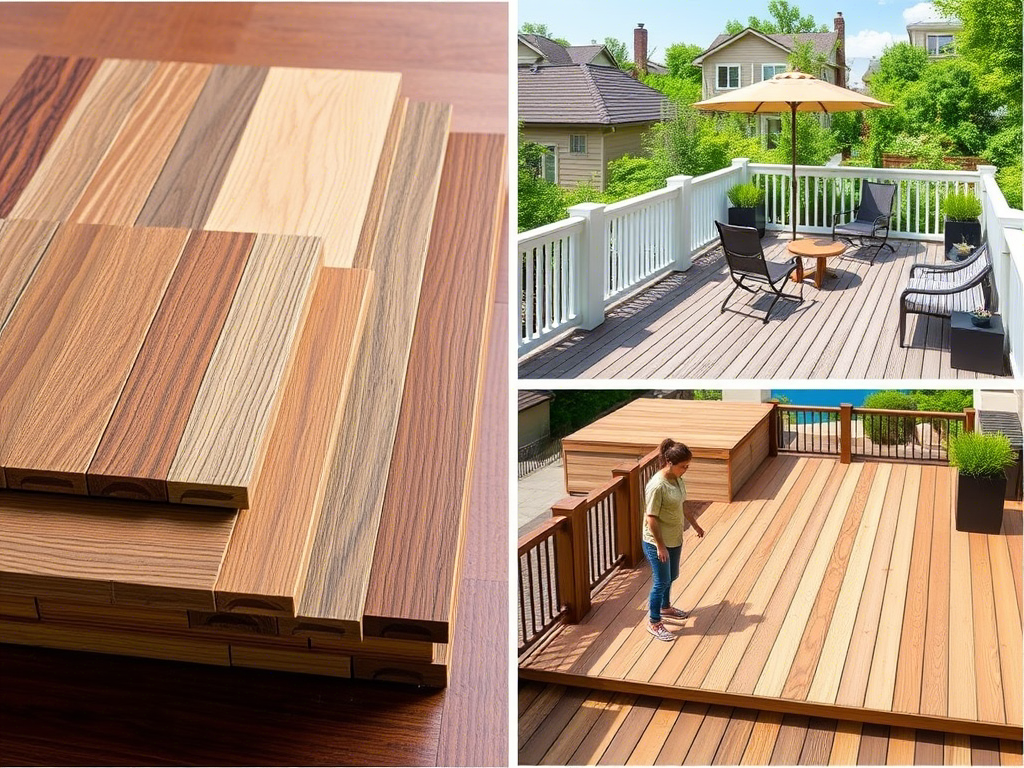
Composite wood, often known as engineered wood or wood-plastic composite (WPC), is a popular material for a variety of applications, including decking, fencing, and furniture. Made from a mixture of wood fibers, plastic, and other additives, composite wood is durable, weather-resistant, and low maintenance. However, due to its unique composition, cutting composite wood requires specific tools and techniques to ensure clean, precise cuts without damaging the material. In this article, we’ll dive deep into how to cut composite wood effectively, as well as the tools and safety precautions to keep in mind.
What is Composite Wood?
Before jumping into the cutting techniques, it’s essential to understand what composite wood is and how its composition affects cutting. Composite wood is made up of wood fibers combined with polymers or plastics, which makes it more resistant to moisture, pests, and wear than natural wood. The plastic content can vary from manufacturer to manufacturer, but the most common types are made from polyethylene (PE), polypropylene (PP), or polyvinyl chloride (PVC) plastic.
Due to the mix of materials, composite wood is generally denser than natural wood, and the cutting process needs to accommodate both the wood fibers and plastic components to avoid cracking, splintering, or a rough finish.
Tools Required to Cut Composite Wood
Several tools can be used to cut composite wood, depending on the type of cut you need and the equipment available to you. Below are the most common tools used for cutting composite wood:
Circular Saw
The most common tool for cutting composite wood, a circular saw is fast and effective for making long, straight cuts. With the proper blade, you can achieve clean cuts with minimal splintering.
Recommended Blade: Use a fine-toothed, carbide-tipped blade (60 teeth or more) to prevent the saw from tearing the material. A blade designed for cutting laminate or plywood will also work well.
Miter Saw
If you need to make angled cuts, a miter saw is a great choice. It provides accuracy and is ideal for crosscuts (cutting across the grain) or bevel cuts.
Recommended Blade: Similar to the circular saw, use a carbide-tipped blade with fine teeth for smoother cuts.
Jigsaw
For cutting curves or irregular shapes, a jigsaw is the ideal tool. It’s versatile but requires more control to avoid making rough edges.
Recommended Blade: Use a fine-tooth blade made for cutting wood or laminate.
Table Saw
If you’re working on larger sheets of composite wood, a table saw might be the best tool. It offers precision and stability for long, straight cuts.
Recommended Blade: Again, a carbide-tipped, fine-tooth blade is the way to go.
Hand Saw
Although less common for larger projects, a hand saw can be used for smaller cuts in composite wood. This tool requires more effort and time but can work in a pinch.
Recommended Blade: A fine-tooth blade designed for wood and laminate is ideal.
How to Cut Composite Wood: Step-by-Step Guide
1. Measure and Mark the Cut Line
Before cutting, take precise measurements and mark the cut line with a pencil or chalk. Double-check your measurements to avoid mistakes. Use a square or a straightedge to ensure your lines are straight and perpendicular to the edges of the material.
Tip: Use painter's tape along the cut line to reduce splintering and help keep the cut line visible.
2. Choose the Right Blade for the Job
Composite wood can be tough on your blades, so using the right one is crucial for achieving clean cuts. Always use blades specifically designed for cutting wood and laminate. A carbide-tipped blade with fine teeth works best for this material.
Tip: Blades with fewer teeth can make the cut faster but tend to produce rougher edges. More teeth will provide a cleaner finish, though they can take a little longer.
3. Set the Proper Cutting Depth
If you're using a circular saw or table saw, adjust the cutting depth to ensure the blade cuts just deep enough to go through the composite wood. Set the depth slightly deeper than the thickness of the material to avoid cutting too shallow or too deep.
4. Secure the Material
Make sure the composite wood is securely clamped or held in place before you start cutting. Use clamps or a workbench to hold the material steady, especially when making longer cuts. If the material is loose, it can shift during the cut, leading to inaccuracies or injury.
Tip: If you’re using a circular saw, support the composite wood at both ends to avoid it sagging while you cut.
5. Cut the Composite Wood
Start the saw at full speed, and proceed slowly and steadily along the marked line. Don’t force the saw through the material—let the blade do the work. If you’re using a jigsaw or circular saw, maintain a consistent speed, and be careful not to stop or backtrack once the cut is in progress.
Tip: For curved cuts, use a slow and steady motion with the jigsaw, making small adjustments as you go.
6. Finish the Edges
After making your cuts, you may need to sand the edges to smooth out any roughness or splinters. Use a fine-grit sandpaper or a power sander to smooth the edges to your desired finish.
Tip: If there are rough edges or splinters, sand them lightly before staining or finishing the material.
Safety Tips When Cutting Composite Wood
Cutting composite wood involves both power tools and a material that can produce sharp edges and dust, so safety is paramount. Here are some essential safety precautions:
Wear Safety Gear: Always wear safety glasses, a dust mask, and hearing protection when cutting composite wood to protect your eyes, lungs, and ears.
Work in a Well-Ventilated Area: Cutting composite wood generates fine dust particles that can be harmful when inhaled. Always work in a well-ventilated area, and consider using a dust extraction system or a vacuum attachment for your saw.
Use Clamps: Never try to hold composite wood by hand while cutting. Always use clamps or a secure workbench to hold the material in place.
Inspect Tools Before Use: Ensure your saw blades are sharp and free of any defects. Dull blades can cause jagged cuts or even damage the material.
Conclusion
Cutting composite wood may require some extra effort compared to traditional lumber, but with the right tools and techniques, it can be done efficiently and accurately. Whether you're building a deck, constructing outdoor furniture, or completing any other DIY project, proper cutting ensures a professional finish and long-lasting durability. By following these steps and keeping safety in mind, you'll be able to handle composite wood with ease and achieve beautiful results.