









 English
  Français
  Español


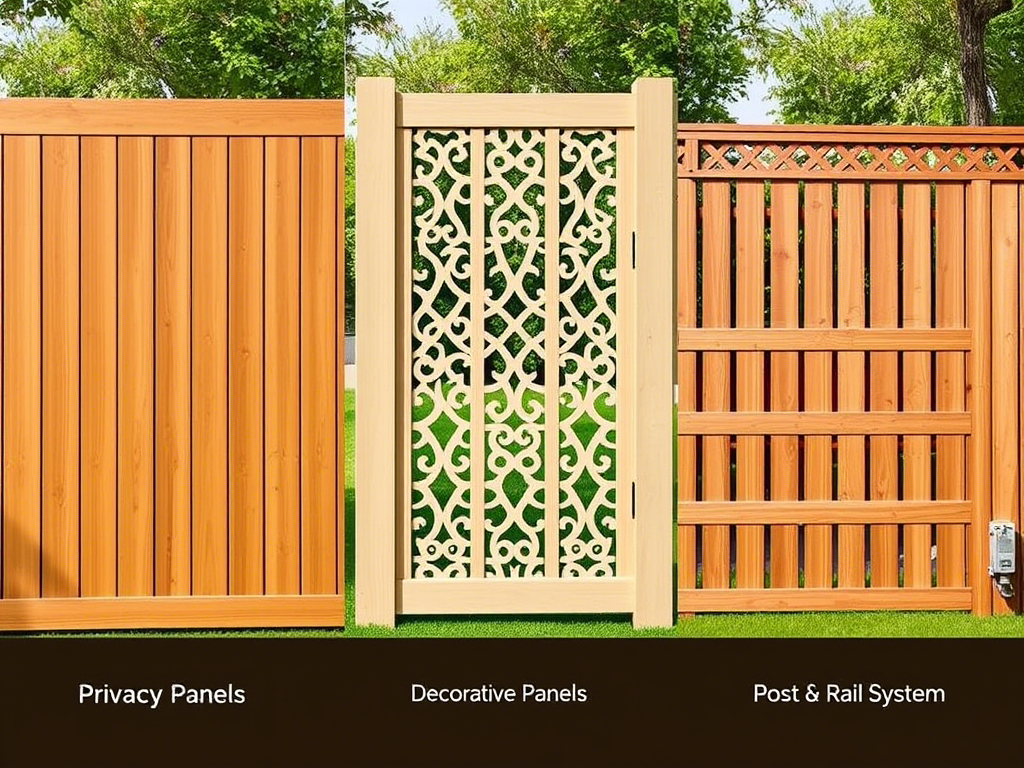
When it comes to outdoor fencing, one of the most critical factors to consider is how well it can withstand the elements. Whether you live in a region that experiences heavy rainfall, intense sun, or freezing winters, your fence needs to be durable enough to handle the worst that Mother Nature can throw at it. This is where Wood-Plastic Composite (WPC) fence panels shine.
WPC fence panels have become increasingly popular in recent years due to their remarkable ability to stand up to harsh weather conditions, making them an ideal choice for homeowners seeking both durability and aesthetic appeal. But how exactly do WPC fence panels manage to perform so well in extreme weather?
- Resistance to Moisture and Rot
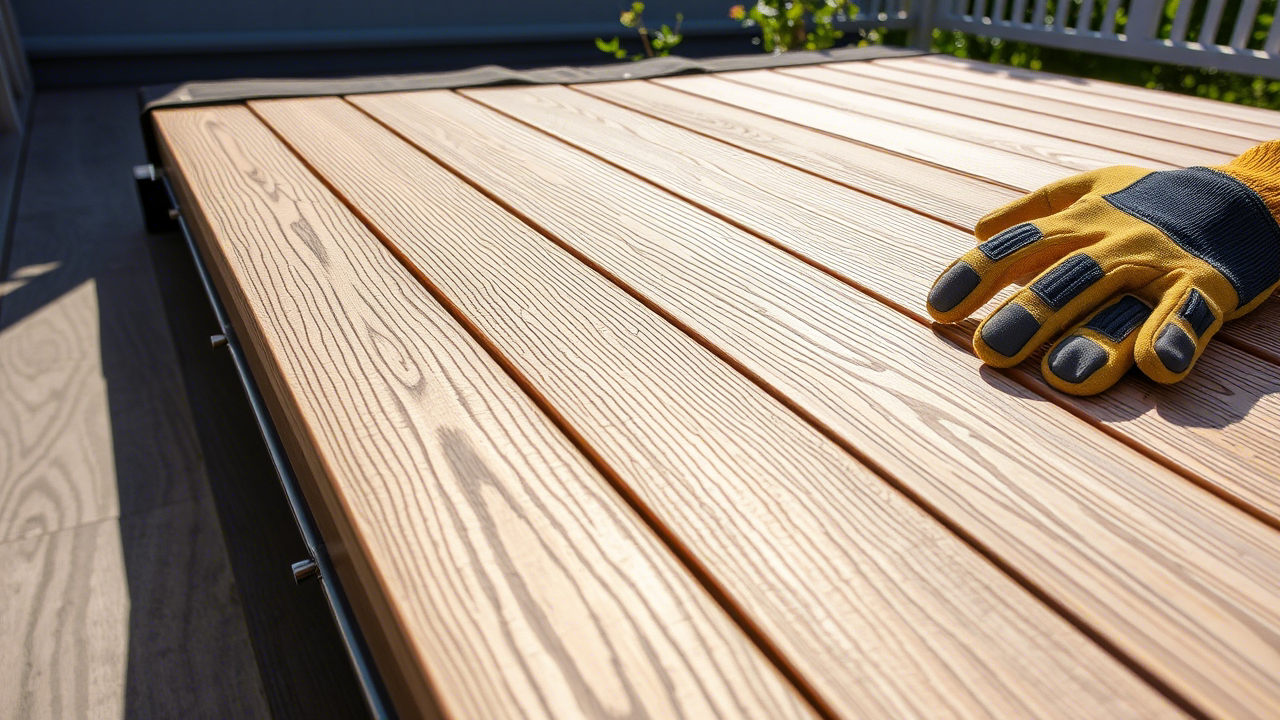
Traditional wood fences often suffer from water damage over time. When exposed to rain, snow, or high humidity, wooden fences can warp, rot, or even develop mold. However, WPC fences are highly resistant to moisture. The plastic component in the composite material prevents water from seeping into the fibers, which significantly reduces the risk of rot and decay.
This water resistance makes WPC fences an excellent choice for areas that experience regular rainfall, high humidity, or even coastal environments where saltwater can accelerate wood degradation. Whether it’s a rainy season or a humid summer, WPC fences remain intact without the need for constant maintenance.
- UV Protection and Fade Resistance
The sun’s harsh UV rays can take a toll on many outdoor materials, especially wood. Over time, the sun can cause wood to dry out, crack, and lose its color, leaving your fence looking weathered and worn. On the other hand, WPC fence panels are designed to be UV resistant, helping them maintain their appearance for much longer.
The plastic component in WPC not only helps with water resistance but also provides UV protection, preventing the fence from fading or becoming brittle under the sun’s rays. This means that WPC fences retain their color and structural integrity even after years of exposure to direct sunlight. Whether you’re in a sunny desert climate or a region with long summers, WPC panels can hold their own against the sun’s damaging effects.
- Resilience to Extreme Cold and Freezing Temperatures
Winter weather can be tough on outdoor structures, especially in regions that experience freezing temperatures. Wood fences can crack and splinter in the cold, while metal fences may rust from snow and ice accumulation. WPC fences, however, are designed to withstand freezing temperatures without losing their strength or appearance.
The composite material is less susceptible to the expansion and contraction that occurs with temperature fluctuations, meaning your fence won’t warp or crack when the thermometer drops. Additionally, because WPC is resistant to moisture, there’s no risk of the material freezing and expanding in the same way that wood might.
- Wind Resistance
High winds, especially in storm-prone areas, can wreak havoc on fences that aren’t built to handle them. Traditional wood fences can easily become loose, or even blow over, in gusty conditions. WPC fence panels, however, are stronger and more flexible due to the combined properties of wood fibers and plastic, making them much more wind-resistant.
WPC’s robust construction allows it to absorb and distribute the force of the wind without sustaining damage. This makes it a great option for areas that experience frequent storms or high winds, ensuring that your fence remains secure and intact.
- Pest Resistance
In addition to weather concerns, pests can also be a major issue for traditional wooden fences. Termites, carpenter ants, and other insects can easily damage a wood fence, compromising its integrity. WPC fence panels, however, are virtually impervious to insects due to the lack of organic materials that pests typically feed on.
The plastic component of WPC fencing acts as a barrier to termites and other wood-destroying insects, ensuring your fence remains free of damage from pests, even in regions where infestations are common.
- No Need for Regular Maintenance
Unlike traditional wood fences that require regular staining, sealing, or repainting to protect against the elements, WPC fences require very little upkeep. Their resistance to moisture, UV rays, and temperature fluctuations means they don’t need to be treated with harsh chemicals or sealants.
This makes WPC a perfect choice for homeowners who want to enjoy the beauty and functionality of their fence without the hassle of constant maintenance, saving both time and money.
- Sustainability in All Seasons
WPC fence panels are not only durable but also eco-friendly. Because they are made from recycled wood fibers and plastics, they contribute to reducing waste and promoting sustainability. This is particularly important in regions that experience extreme weather, as using long-lasting, sustainable materials reduces the need for frequent replacements and minimizes the environmental impact.
Conclusion
When choosing a fence for your property, it’s essential to consider how it will hold up against the elements. WPC fence panels provide a durable, low-maintenance, and eco-friendly solution that stands up to the challenges posed by harsh weather conditions. From moisture and UV protection to wind and pest resistance, WPC fences are engineered to handle everything that nature throws their way.
Whether you’re dealing with heavy rain, extreme heat, freezing temperatures, or high winds, WPC fence panels are designed to perform season after season, giving you peace of mind and a beautiful fence that lasts