











 English
  Français
  Español


Content
Understanding Deck Railing Height
When planning a deck, one of the most important considerations is the height of the railing. Deck railings not only provide safety and support but also contribute to the overall design and feel of the outdoor space. Understanding the proper height is essential for both functionality and aesthetics.
Deck Railing Height According to Building Codes
The first factor to consider when determining the height of your deck railing is the local building codes. These codes are set to ensure safety and minimize the risk of accidents. The minimum required height for a deck railing is typically:
- 36 inches for residential decks
- 42 inches for commercial decks or decks higher than 30 inches above ground
However, it's always a good idea to check with local regulations as codes can vary depending on your area and the height of the deck.
Factors That Influence Deck Railing Height
In addition to building codes, several other factors can influence the height of your deck railing. These include:
- Deck Height: Decks that are higher off the ground will require taller railings for safety, especially to prevent falls.
- Deck Use: If the deck is meant for high-traffic areas or entertainment, a higher railing may be necessary for added security.
- Design Preferences: Aesthetic preferences can also play a role in choosing the height. Some people may prefer a lower railing for a more open feel, while others may opt for a taller one for privacy.
Safety Considerations for Deck Railing Height
The primary purpose of a deck railing is to ensure safety. A railing that is too low can be a safety hazard, especially if the deck is elevated. It is essential to consider the following safety aspects:
- Preventing Falls: The height of the railing should be sufficient to prevent accidental falls, especially for families with children or pets.
- Strength of Materials: The materials used for the railing should be strong enough to withstand pressure. If the railing is too low, it may not effectively serve its purpose.
- Spacing Between Spindles: If the railing design uses spindles, make sure the spacing between them complies with code requirements, typically no wider than 4 inches apart, to prevent children from slipping through.
Adjusting Deck Railing Height for Aesthetic Appeal
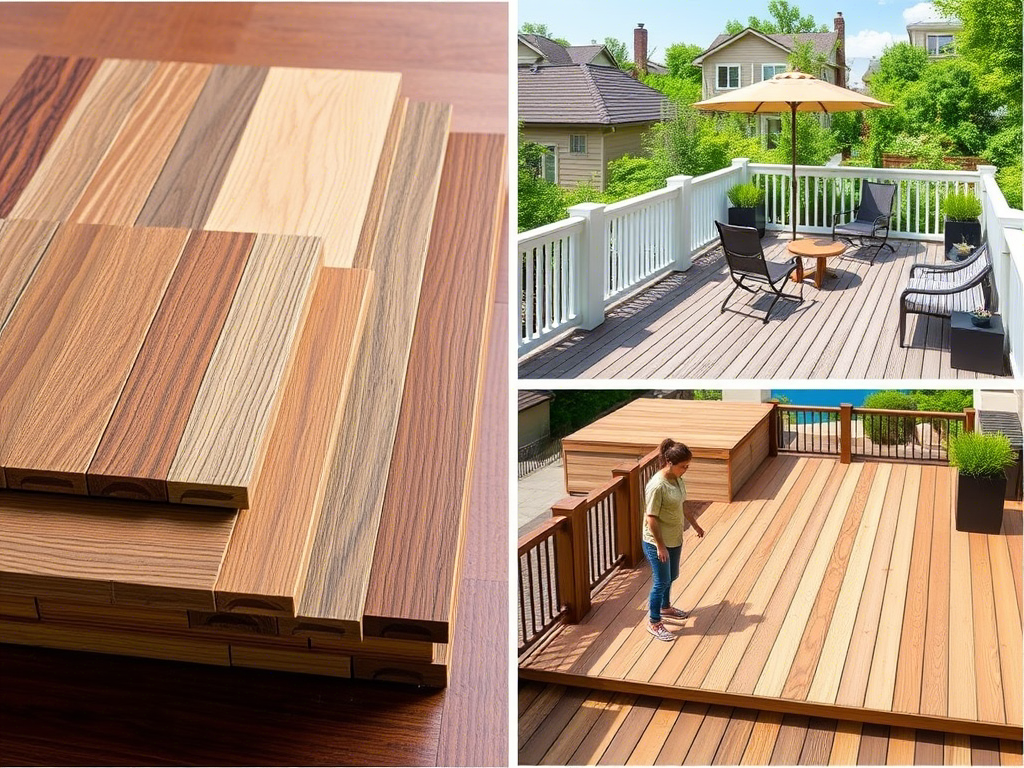
While safety is a priority, the height of the railing should also complement the overall design of the deck and the house. Here are a few tips to ensure that the railing height blends well with your outdoor space:
- Proportion: Make sure the railing height is proportional to the deck and the home’s exterior. A taller deck often benefits from a higher railing, while a lower deck can look best with a shorter railing.
- Design Style: Consider the architectural style of the house and the deck’s function. For example, a modern home may have sleek, low-profile railings, while a traditional design might feature a more robust and taller railing.
- Visual Impact: The railing should not obstruct the view or overwhelm the deck. Consider transparent or minimalistic railing designs for decks with beautiful views.
Conclusion: Choosing the Right Deck Railing Height
In conclusion, the ideal deck railing height depends on various factors, including building codes, the height of your deck, safety considerations, and design preferences. Generally, a height of 36 to 42 inches is recommended, but always check local regulations before making a decision. A well-chosen railing height will ensure safety, enhance the appearance of your deck, and provide lasting value to your outdoor space.