








 English
  Français
  Español


Wall cladding has evolved beyond mere aesthetics—it is now an integral part of a building’s protection and thermal regulation system. Among the modern cladding materials, PVC and WPC have become increasingly popular due to their versatility, durability, and ease of installation. However, choosing between the two can be a nuanced decision, influenced by factors such as budget, climate, maintenance, and appearance.
In this article, we provide a deep dive into PVC and WPC wall cladding, comparing their characteristics, pros and cons, and ideal use cases to help you make an informed choice.
1. Overview of Materials
PVC (Polyvinyl Chloride)
PVC is a synthetic plastic polymer known for its flexibility, lightweight properties, and resistance to moisture. It is widely used in plumbing, electrical insulation, and now, architectural applications like wall cladding.
Composition: Pure plastic (synthetic)
Appearance: Smooth, can be glossy or matte
Weight: Lightweight
Color & Texture: Available in a wide range, often painted or laminated
WPC (Wood Plastic Composite)
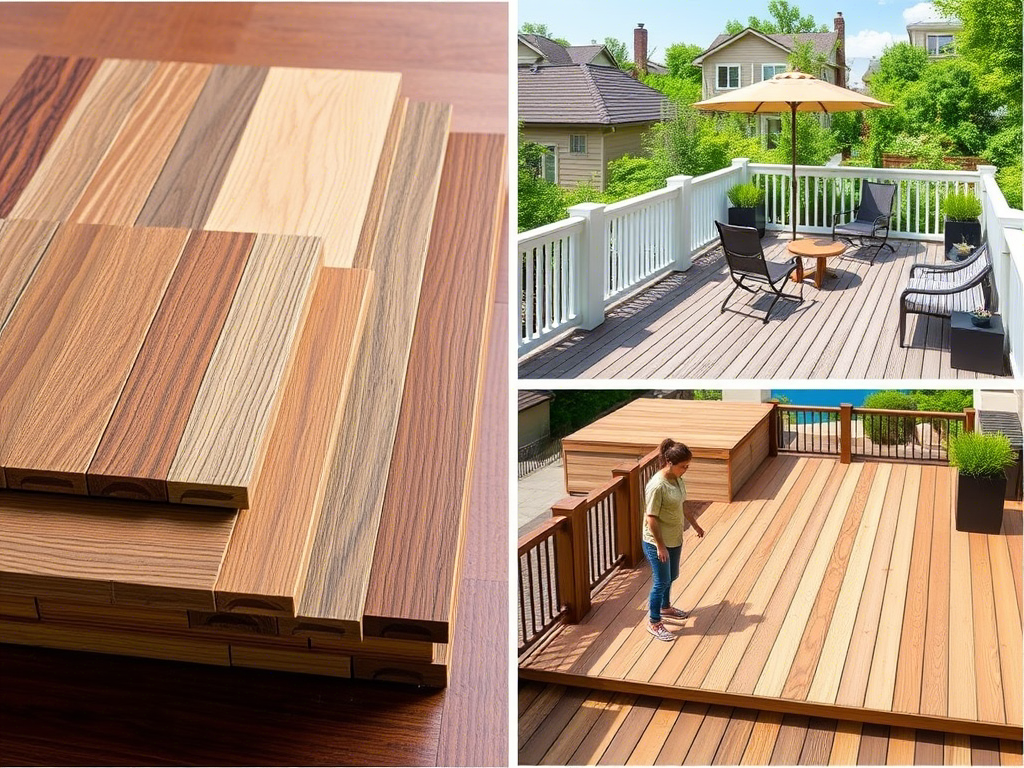
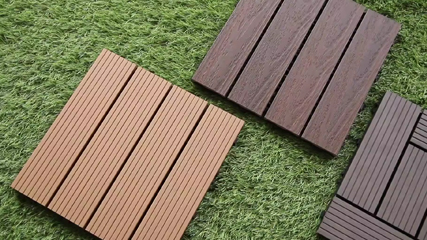
WPC is a hybrid material made by blending wood fibers (typically sawdust) with plastic polymers (usually PVC, PE, or PP). This combination offers the look of wood with the resilience of plastic.
Composition: 40–70% wood fiber + thermoplastics
Appearance: Wood-like grain and texture
Weight: Heavier than PVC
Color & Texture: Typically natural-looking; can be painted, stained, or textured
2. Durability and Strength
PVC
Good resistance to moisture and rot
Can warp or become brittle over time under harsh UV exposure
Lower mechanical strength compared to WPC
Prone to impact damage if not reinforced
WPC
Stronger and more durable due to wood content
Less likely to warp or crack
More resistant to temperature fluctuations
Longer lifespan in exterior environments
Winner: WPC — Especially for areas exposed to fluctuating weather and mechanical stress
3. Aesthetics and Texture
PVC
Clean, uniform appearance
Less natural-looking
Easier to print or laminate with colorful patterns
Suited for modern, minimalistic designs
WPC
Mimics natural wood grain and texture
Offers a warm, rustic, or classic look
Can be sanded, painted, or stained
Ideal for traditional or eco-inspired architecture
Winner: WPC — If a natural or high-end wood appearance is desired
4. Maintenance and Cleaning
PVC
Very low maintenance
Does not absorb stains
Easy to clean with water and mild detergent
WPC
Requires occasional cleaning to remove dust and grime
Slightly more porous than PVC, so prone to mild surface stains
May need sealing or polishing over time
Winner: PVC — Simpler upkeep, especially for indoor applications
5. Installation and Workability
PVC
Lightweight, easy to cut and install
Can be glued or nailed directly
Ideal for DIY or quick professional jobs
WPC
Heavier, requires specialized cutting tools
Often needs support framing
More secure fastening required due to weight
Winner: PVC — Easier to handle, especially for quick or small projects
6. Cost and Affordability
PVC
Generally cheaper than WPC
Lower installation costs due to ease and speed
WPC
Higher material cost due to wood content
Installation can be more labor-intensive
Winner: PVC — For budget-conscious projects
7. Environmental Impact
PVC
Fully synthetic; not biodegradable
Can release toxic fumes when burned
Often made from virgin plastic
WPC
Uses recycled wood and plastic, reducing waste
More environmentally friendly overall
Still not biodegradable but more sustainable
Winner: WPC — More eco-conscious option
8. Indoor vs Outdoor Use
Application Recommended Material
Interior walls PVC or WPC (depends on design)
Bathrooms & kitchens PVC (moisture resistance)
Exterior cladding WPC (durability and UV resistance)
Balconies/verandas WPC (aesthetic and toughness)
9. Fire Resistance
PVC: Self-extinguishing but releases harmful fumes (HCl gas)
WPC: Slower to ignite, lower smoke emission, but still combustible
Both materials are combustible, but neither is fireproof. For fire-rated applications, additional fire-retardant treatments are necessary.
Conclusion: Which Is Better for Wall Cladding?
Feature PVC WPC
Durability X √
Aesthetics X √
Maintenance √ X
Cost √ X
Installation √ X
Eco-friendliness X √
Outdoor Suitability X √
Choose PVC if:
You're on a tight budget
The cladding is for interiors
Low maintenance is a priority
A clean, modern look is desired
Choose WPC if:
The wall is exposed to the elements
A natural or wood-like finish is preferred
You're prioritizing strength and sustainability
You want long-term durability
Final Verdict:
WPC is generally better for exterior and high-end interior applications due to its durability and aesthetic appeal, while PVC excels in affordability and ease of use for simple, indoor cladding projects.