











 English
  Français
  Español


Content
Introduction
Choosing the right material for your outdoor space can be tricky, especially when deciding between tiles or decking for your deck. While both options offer great durability and aesthetics, they each come with their own unique installation methods and considerations. In this article, we’ll explore the differences between putting tiles on a deck versus installing decking, providing a detailed guide on how to approach each choice.
How to Install Tiles on a Deck
Installing tiles on a deck is an excellent way to create a modern, durable surface for outdoor spaces. However, it requires careful planning and the right materials to ensure longevity and performance. Here's how you can do it:
1. Prepare the Deck Surface
Before installing tiles, the surface of your deck needs to be solid and level. Inspect the deck for any damage and ensure there are no soft spots or warped boards. If the surface is uneven, use a self-leveling compound to create a smooth base for the tiles.
2. Choose the Right Tiles
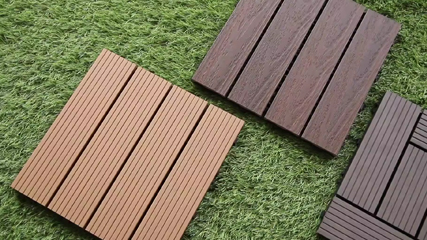
Outdoor tiles need to be durable enough to withstand exposure to the elements. Opt for frost-resistant porcelain or ceramic tiles that are designed for outdoor use. Additionally, ensure the tiles have a non-slip surface for safety.
3. Apply a Waterproofing Membrane
It’s essential to apply a waterproofing membrane to protect the wood beneath from water damage. This layer acts as a barrier, keeping moisture from reaching the deck structure, which could cause rot and decay over time.
4. Install the Tiles
Use a thin-set mortar to adhere the tiles to the deck. Spread the mortar with a notched trowel and place each tile carefully, leaving space for grout. Allow the mortar to cure before grouting the tiles.
5. Grout the Tiles
Once the tiles are set, apply grout to fill in the gaps. Use a rubber float to spread the grout and wipe away excess with a damp sponge. Allow the grout to cure, then seal the joints to protect against moisture infiltration.
How to Install Decking
Installing decking, whether wood or composite, is a popular choice for outdoor spaces. It provides a natural aesthetic and is easier to replace or repair than tiles. Below is a step-by-step guide for installing decking:
1. Prepare the Deck Frame
Before installing any decking material, make sure the frame is sturdy and level. Check for any signs of rot or damage in the existing frame. If needed, replace damaged beams or supports. Ensure the deck structure is well-ventilated to avoid moisture buildup.
2. Choose the Right Decking Material
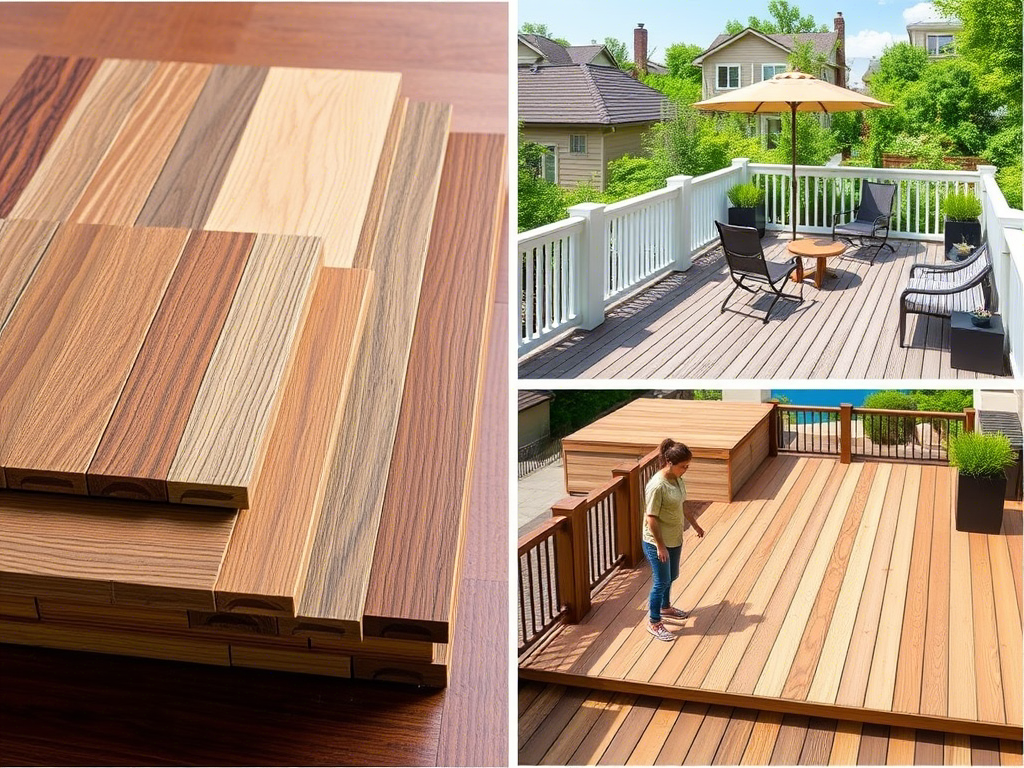
You can choose between traditional wood decking or composite decking. Wood requires more maintenance but provides a natural look. Composite decking, made from wood fibers and plastic, is low-maintenance and resistant to rot.
3. Install the Decking Boards
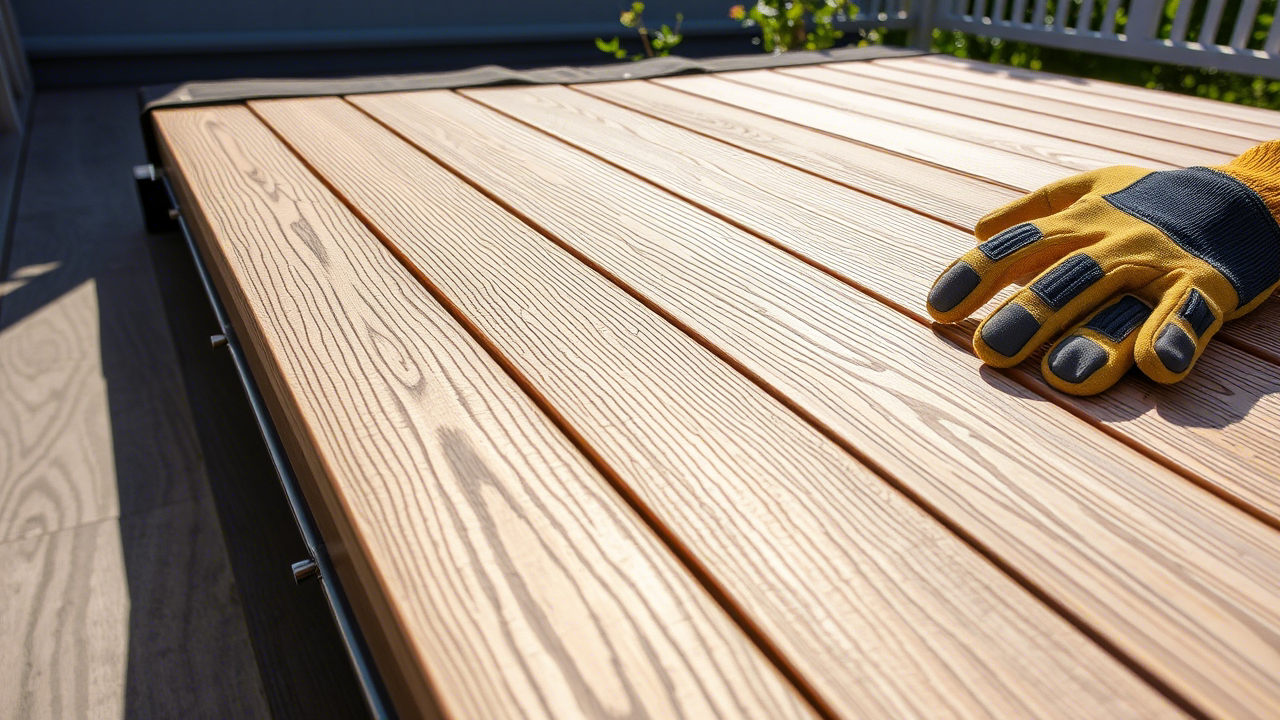
Start by laying the first decking board along the edge of the frame, securing it with deck screws. Continue laying the boards, leaving small gaps between each to allow for expansion and drainage. Make sure each board is aligned and level before securing it in place.
4. Secure the Decking
Use corrosion-resistant screws to attach the decking boards to the frame. For wood decking, pre-drill holes to prevent splitting. For composite decking, check the manufacturer's instructions for proper fastening techniques, as some boards require clips or hidden fasteners.
5. Finish the Edges
Once the decking boards are secured, you can trim the edges to create a clean, professional finish. Install edge boards or fascia boards to cover the gaps at the perimeter of the deck and to add a finished look.
Key Differences Between Tiles and Decking
When deciding between tiles and decking for your outdoor space, consider the following differences:
- Cost: Decking materials tend to be less expensive than tiles, especially when using wood or basic composite options. Tiles may be more costly due to the need for specialized materials and tools.
- Maintenance: Tiles require less ongoing maintenance, especially when installed with proper waterproofing. Decking, on the other hand, may require periodic sealing or staining to protect against weathering.
- Durability: Tiles are generally more resistant to wear and tear than decking, but decking provides more flexibility in terms of repairs. Damaged tiles are harder to replace without disrupting the surrounding area.
- Appearance: Tiles offer a clean, modern look with a wide variety of design options. Decking provides a natural, rustic aesthetic that blends well with landscaping.
Conclusion
Both tiles and decking offer great benefits for your deck, but the installation process and materials used vary significantly. By following the right steps for each type of surface, you can ensure a long-lasting and beautiful outdoor space. Make your decision based on your budget, maintenance preferences, and the overall look you're aiming for in your deck design.