








 English
  Français
  Español


Content
- 1 Shiplap: Clean Lines for Farmhouse and Coastal Bedrooms
- 2 Board and Batten: The Statement Wall That Works in Any Room Size
- 3 Fluted and Slat Panels: The Modern Bedroom's Favorite Texture
- 4 Wainscoting: Half-Wall Elegance That Protects and Refines
- 5 WPC Composite Panels: The Durable, Eco-Friendly Choice for Modern Bedrooms
- 6 Picture Frame Molding: Budget-Friendly Millwork Without the Millwork Price Tag
- 7 How to Choose the Right Panel for Your Bedroom
A fresh coat of paint refreshes a bedroom. New bedding updates the mood. But wall paneling changes the room's entire architecture—adding texture, depth, and a sense of permanence that no surface treatment can replicate. Whether the goal is a serene retreat, a dramatic focal point behind the bed, or simply covering walls that have seen better days, the right panel style makes the transformation immediate and lasting.
The challenge isn't finding paneling inspiration—it's narrowing down which style actually fits your bedroom's size, aesthetic, and budget. This guide cuts through the options and gives you a clear path from browsing to deciding, room by room and style by style. According to Houzz renovation data, accent walls—including paneled ones—consistently rank among the top five most requested bedroom upgrades for homeowners working with a budget under $5,000, which tells you something about how reliably these projects deliver visible results.
If you've already seen what paneling can do in shared living spaces, the same principles apply in the bedroom with one key difference: the bedroom is where you want to feel something. wall panelling's ability to fundamentally reshape a room's character applies just as powerfully behind a headboard as it does across a living room feature wall.
Shiplap: Clean Lines for Farmhouse and Coastal Bedrooms
Shiplap remains one of the most searched bedroom paneling styles—and for good reason. Horizontal boards with a small reveal between each plank create a clean, linear rhythm that works equally well in a rustic farmhouse bedroom and a relaxed coastal retreat. The look is familiar without feeling dated, and it photographs beautifully, which matters if you're staging a home for resale.
For bedrooms, shiplap works best as a single accent wall directly behind the bed, where it replaces a traditional headboard with something more architectural. White-painted shiplap on a dark navy or charcoal wall creates a striking contrast; left in its natural pine tone, it adds warmth without visual noise. Materials cost roughly $2.50–$7 per square foot for MDF or pine shiplap—making a standard accent wall achievable for under $400 in materials.
One underused option: running shiplap vertically instead of horizontally. Vertical orientation draws the eye upward, making low ceilings feel taller. It's a small change that produces a noticeably different effect in compact bedrooms.
Board and Batten: The Statement Wall That Works in Any Room Size
Board and batten uses wide vertical boards with narrow strips (battens) covering the seams, creating a bold geometric grid that adds structure to any bedroom wall. It's one of the most cost-effective ways to introduce custom millwork-level detail: a full 10×10 ft accent wall can be completed for $200–$350 in MDF and trim, with the grid pattern doing the visual heavy lifting.
The vertical lines make this style a strong choice for bedrooms with lower ceilings—the continuous upward movement adds perceived height. In a large primary bedroom, board and batten can span the full wall behind the bed and nightstands, with the panel height extended past the typical chair-rail position to three-quarters or full-wall height for a more dramatic effect.
Color amplifies everything here. Painted in a deep forest green, dusty blue, or warm terracotta, board and batten becomes the room's defining statement. In white or off-white, it adds architectural detail while keeping the room bright and airy—a reliable choice for smaller bedrooms where bold color might feel claustrophobic.
Fluted and Slat Panels: The Modern Bedroom's Favorite Texture
Fluted panels—narrow vertical ridges that catch light and cast subtle shadows—have surged in popularity since 2021 and show no sign of slowing down. The appeal is straightforward: they add dimension and a boutique-hotel quality to a bedroom wall without requiring elaborate installation or a contractor's budget. MDF fluted panels are now widely available, bringing the look within reach of most DIY projects.
Slat panels, which feature thin wood veneer strips mounted on a felt or foam backing, serve a dual purpose: they look refined and improve the room's acoustics by breaking up flat wall surfaces. This makes them particularly well-suited to bedrooms, where reducing sound reflection contributes to a quieter, more restful atmosphere.
Both styles work best as a single feature wall behind the bed frame, where the texture creates depth without overwhelming the room. Paired with integrated LED strip lighting between the slats, the effect shifts dramatically from day to evening—a warm, ambient glow that transforms the headboard wall into something genuinely atmospheric. Pro tip: choose natural oak or walnut tones for a biophilic, Japandi-inspired bedroom; go charcoal or ebony for a more dramatic, contemporary look.
Wainscoting: Half-Wall Elegance That Protects and Refines
Wainscoting covers the lower portion of a bedroom wall—typically between 36 and 48 inches high—with panels topped by a chair rail. It's a traditional style with a long history, but it translates well into contemporary bedrooms when paired with the right finish and the right color above the rail.
Raised panel wainscoting is the more ornate version, with beveled rectangular panels that catch light elegantly. Beadboard wainscoting is simpler and more cottage-like, with narrow vertical grooves that add texture without formality. Both protect the lower wall from scuffs and furniture marks—a practical consideration in bedrooms where bedframes and side tables regularly contact the wall.
The real design opportunity with wainscoting is the wall above the rail. Bold wallpaper, a deep paint color, or a contrasting matte finish on the upper wall creates a two-zone composition that feels layered and intentional. In a bedroom with high ceilings, this treatment anchors the space and prevents the room from feeling too vast. In a smaller bedroom, keeping the upper wall light maintains a sense of openness while the paneling below adds character.
WPC Composite Panels: The Durable, Eco-Friendly Choice for Modern Bedrooms
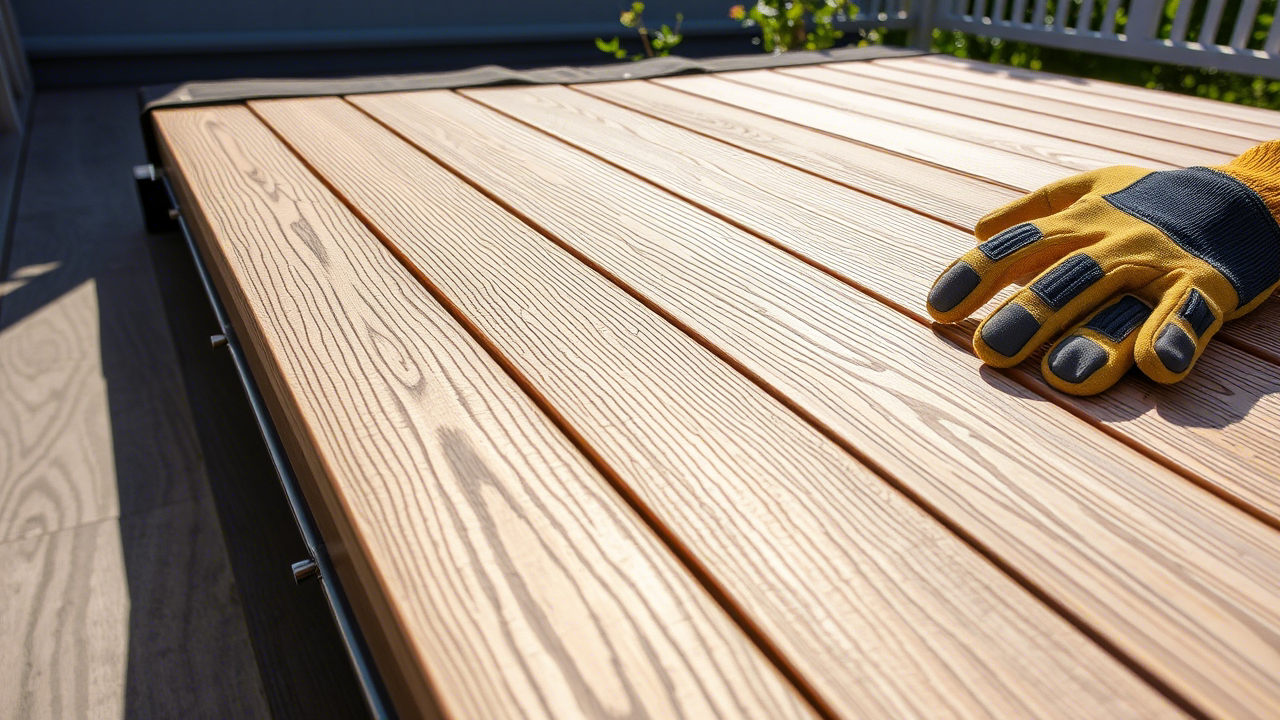
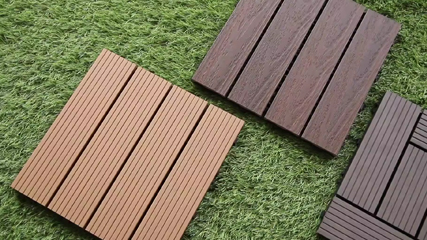
Wood Plastic Composite (WPC) panels have earned their place in residential interior design for reasons that go beyond aesthetics. Made from a blend of wood fibers and high-density polyethylene (HDPE), WPC delivers the authentic look and feel of natural wood while eliminating many of timber's common limitations—warping, cracking, moisture absorption, and the need for periodic sealing or repainting.
For bedroom applications, WPC panels offer several specific advantages. They are dimensionally stable across temperature and humidity fluctuations, which matters in bedrooms that may experience seasonal climate variation. They require no special maintenance—no oiling, no staining, no refinishing—and their surface resists the minor scuffs and marks that accumulate in any lived-in room. Certifications from ISO, Intertek, SGS, and FSC confirm compliance with international quality and sustainability standards, which appeals to homeowners prioritizing eco-conscious choices.
WPC is available in a range of finishes—from realistic 3D wood grain embossing to smooth contemporary profiles—making it compatible with Japandi, Scandinavian, and modern minimalist bedroom aesthetics. The panels install quickly with a horizontal or vertical click-lock system, making them accessible for confident DIYers. For those exploring eco-friendly WPC wall cladding panels designed for both indoor and outdoor use, the product range covers a variety of profiles and colorways suited to bedroom feature walls.
WPC positions well as a long-term investment: with a lifespan that significantly exceeds standard MDF or pine panels, and minimal ongoing cost, the total cost of ownership compares favorably to materials that require regular maintenance. This is a material worth choosing when you want the project to last as long as the room itself.
Picture Frame Molding: Budget-Friendly Millwork Without the Millwork Price Tag
Picture frame molding—also called shadow box paneling—uses trim strips applied directly to drywall to create a grid of rectangular frames on a flat wall. The result looks like expensive custom millwork; the reality is that it can be done for under $150 in materials for a standard accent wall. No special tools beyond a miter saw, grab adhesive, and a level are required.
This technique is the most forgiving of all paneling styles in terms of customization. Frame sizes can be adjusted to any wall dimension, the depth of relief can be controlled by choosing thicker or thinner trim profile, and the whole treatment can be painted in any color to match or contrast the surrounding wall. In bedrooms, the most common application is a full wall behind the bed in a single paint color—both the wall and the trim painted the same shade—so the texture reads as subtle architectural detail rather than a bold decorative statement.
For anyone unsure about committing to a more material-heavy paneling project, picture frame molding is an ideal starting point. It's reversible, budget-friendly, and delivers a result that consistently surprises with how elevated it looks for the investment involved.
How to Choose the Right Panel for Your Bedroom
The best paneling choice is the one that serves your specific room—its size, its existing style, your budget, and how much of the work you're prepared to do yourself. A few practical questions narrow the field quickly.
What mood are you trying to create? Calm and serene points toward light-toned slat panels or soft wainscoting with a pale upper wall. Dramatic and immersive points toward full-wall board and batten in a deep color, or dark fluted panels behind the bed. Warm and natural points toward WPC or solid wood in oak or walnut tones.
How tall are your ceilings? Vertical styles—board and batten, fluted panels, slat panels—add perceived height and work particularly well in rooms under nine feet. Horizontal shiplap emphasizes the room's width and suits spaces with higher ceilings.
What's the realistic budget? Picture frame molding and board and batten offer the highest visual return per dollar spent. Shiplap and wainscoting sit in the middle range. WPC and solid wood panels cost more upfront but eliminate the ongoing maintenance costs associated with natural wood. For a complete cost comparison between WPC and traditional wood materials, the total ownership calculation often tells a different story than the upfront price alone.
Is this a DIY project? Picture frame molding, shiplap, and pre-engineered WPC click-lock panels are the most accessible for confident DIYers. Wainscoting with precise chair rail alignment and fluted panels with integrated lighting benefit from professional installation if the wall isn't perfectly flat or plumb.
The right choice isn't the most expensive option or the most popular one—it's the style and material that will still feel considered and intentional five years from now. Bedrooms earn their character through details that outlast trends, and wall paneling, done well, is exactly that kind of detail.