








 English
  Français
  Español


Content
- 1 Choose your deck color by balancing heat, curb appeal, and maintenance
- 2 Start with what cannot be changed: roof, siding, brick, stone, and trim
- 3 Account for sun and comfort: darker decks run hotter
- 4 Pick color differently for stain, paint, or composite
- 5 Use a decision table to narrow choices quickly
- 6 Test samples the right way before committing
- 7 Maintenance reality check: what stays looking good between cleanings
Choose your deck color by balancing heat, curb appeal, and maintenance
The fastest reliable method is: match your deck to fixed exterior elements, then adjust for sun exposure and upkeep. In practical terms, pick a color family that works with your roof/siding/stone, then choose a lighter or darker shade based on how much direct sun the deck gets and how often you want to clean or refinish.
A quick, dependable rule set
- If the deck is in full sun most of the day, favor light-to-mid tones to reduce surface heat.
- If your home exterior is warm (tan brick, beige siding, brown roof), choose warm grays, honey, cedar, or walnut rather than blue-gray.
- If you want the deck to look larger and cleaner longer, choose mid-tone grays or medium browns (they hide dust and pollen better than very dark or very light colors).
- If you expect frequent spills, grilling, or heavy foot traffic, avoid very light colors and instead use mid-tone, low-gloss finishes.
When you are deciding between two close options, the safer choice is usually the mid-tone version of the color family that best matches your home.
Start with what cannot be changed: roof, siding, brick, stone, and trim
The most common mistake in how to pick deck color is selecting a stain or composite board sample in isolation. Your deck sits next to fixed materials (roof shingles, brick, stone, window frames). The deck should be a supporting element that makes those look intentional.
Match undertones, not just “light vs dark”
- Warm exteriors (cream, tan, warm brick, bronze windows): choose warm gray, greige, honey, cedar, chestnut, or walnut.
- Cool exteriors (crisp white, charcoal roof, blue/green siding, black windows): choose driftwood, cool gray, charcoal-brown, or deep gray.
- Mixed materials (stone + painted siding): let the deck echo the dominant element (often the stone) and keep railings closer to trim color.
Simple exterior pairings that look intentional
- White or light siding + black/charcoal roof: driftwood, mid gray, or espresso-brown.
- Tan brick or beige siding + brown roof: warm gray, cedar, or medium walnut.
- Red brick + white trim: medium brown, warm gray, or deep brown (avoid orange-heavy stains).
- Modern dark exterior (charcoal/black): medium gray or natural wood tones for contrast (avoid matching too closely—flat-on-flat can look heavy).
Account for sun and comfort: darker decks run hotter
Color changes more than aesthetics—it affects heat. On sunny days, dark surfaces typically absorb more solar energy, which can make barefoot use uncomfortable and increase thermal movement in some decking materials.
Practical guidance by exposure
- Full sun (6+ hours/day): light gray, weathered wood, light-to-mid brown, or warm greige.
- Partial sun (3–6 hours/day): mid-tone gray, medium brown, muted taupe, or medium “driftwood.”
- Mostly shade: mid tones still work best; avoid very dark colors if moss/algae is common in your climate.
Visibility and safety considerations
If you have steps, consider contrast. A deck color that is extremely close to your stair nosing color can make edges harder to see. A subtle contrast between deck boards and step edges improves visibility without looking busy.
Pick color differently for stain, paint, or composite
Your material determines how “true” a color looks over time and how easily it can be changed later. This is a key step in how to pick deck color because a gorgeous swatch can behave very differently on wood versus capped composite.
What to expect by finish type
- Transparent/semi-transparent stain: shows wood grain; best for natural looks; color shifts with wood species and age.
- Solid stain: more uniform color; hides imperfections better; easier to coordinate with siding/trim.
- Paint: maximum color control; can peel on horizontal surfaces; great if you want a specific modern shade and can maintain it.
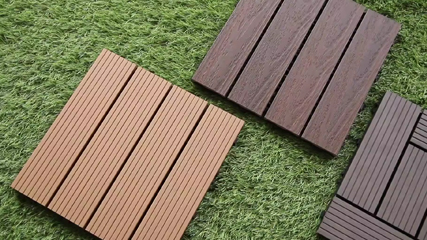
- Composite/PVC: consistent color; harder to change; choose a versatile mid-tone unless you are certain.
Sheen matters as much as color
For most decks, a lower sheen reads more natural and hides surface wear. High gloss can emphasize scratches and reflect harshly in direct sun. A practical target is a low-sheen or matte exterior-rated finish unless your product guidelines specify otherwise.
Use a decision table to narrow choices quickly
| Your priority | Best deck color direction | Why it works | Watch-outs |
|---|---|---|---|
| Barefoot comfort in sun | Light-to-mid tones (light gray, driftwood, light brown) | Lower heat absorption vs very dark colors | Very light tones can show grime and leaf tannins |
| Low visible dirt/pollen | Mid-tone gray or medium brown | Hides dust better than extremes (very dark/very light) | May look “flat” if paired with similar siding—add railing contrast |
| Modern, high-contrast curb appeal | Deep gray or espresso-brown with lighter rails | Strong framing effect; pairs well with black windows/metal | Hotter in sun; can show scratches and fading more easily |
| Natural wood look | Honey/cedar or warm walnut (stain/composite look-alikes) | Complements landscaping; feels warm and inviting | Orange-heavy tones can clash with red brick or cool grays |
| Make a small deck feel larger | Mid-light neutral (light driftwood, light greige) | Brighter surface expands visual space | Choose a tone that still masks traffic paths |
Test samples the right way before committing
Sampling is where good choices become confident choices. A deck color can shift noticeably between morning and late afternoon light, and it can look different once surrounded by railings, furniture, and greenery.
A simple sampling process that prevents regret
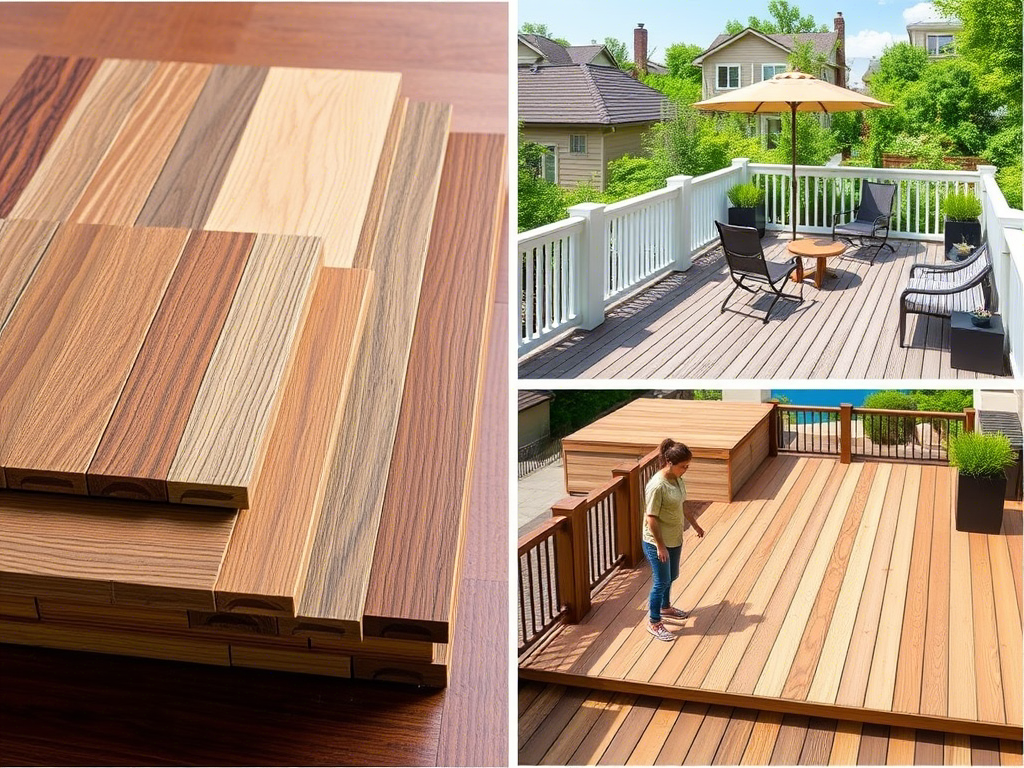
- Choose 3 candidates in the same family (light, mid, dark).
- Apply or place them where the deck gets the most sun and the most shade.
- View at three times: morning, midday, and evening.
- Check next to fixed elements (siding, brick, stone) and your most common outdoor furniture color.
- Eliminate anything that looks too orange, too blue, or noticeably “off” in shade.
If you are undecided after testing, the best tie-breaker is maintenance: choose the option that will look acceptable when it is not freshly cleaned.
Maintenance reality check: what stays looking good between cleanings
A deck is a working surface. How it looks after weather, foot traffic, and pollen matters more than how it looks on day one. In most households, mid-tone neutrals deliver the best “always acceptable” appearance.
What typically shows the most
- Very dark colors: dust, pollen, water spotting, and scratches can be more visible.
- Very light colors: mud, grill grease, leaf tannins, and high-traffic paths can stand out.
- Mid tones: generally conceal day-to-day mess best while still feeling bright enough outdoors.
Final recommendation to apply immediately
If you want one safe, broadly attractive answer to how to pick deck color: choose a mid-tone warm gray or medium brown that matches your home’s undertone, then confirm with a real-world sample in sun and shade.