-
+86-0563-3016803
-
+86-18722009278
-
-




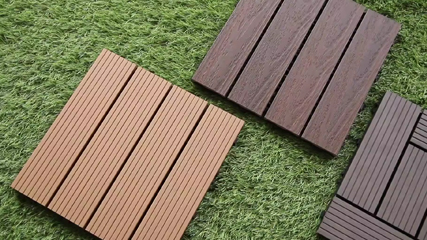



Select the product you want







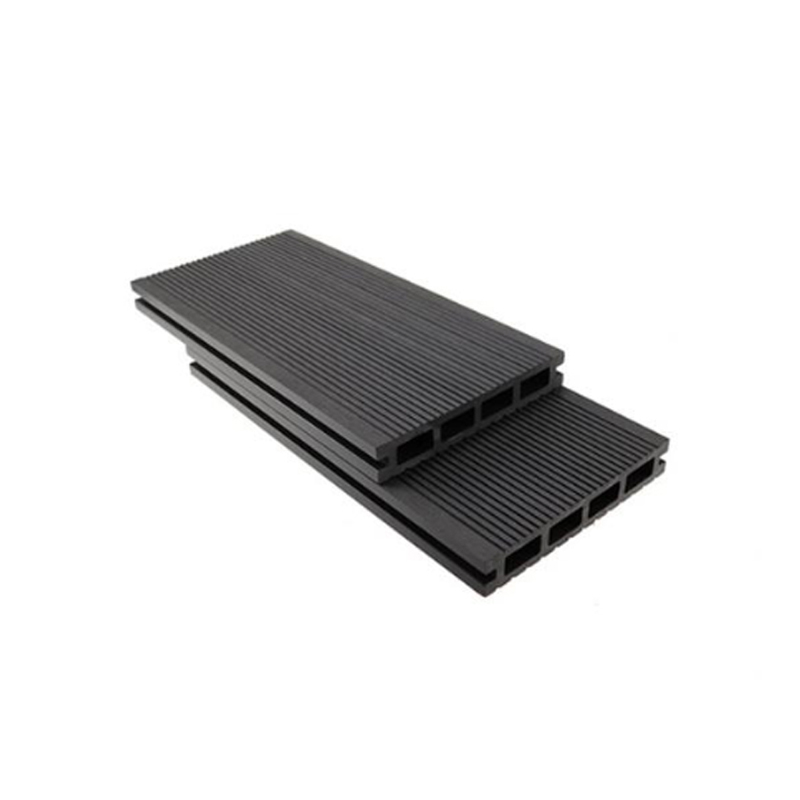
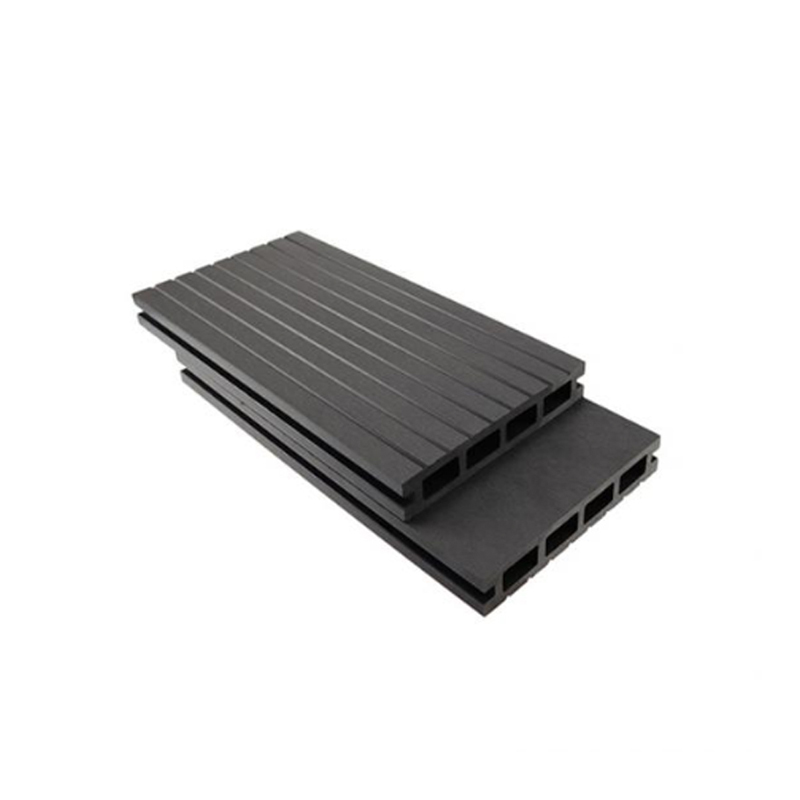
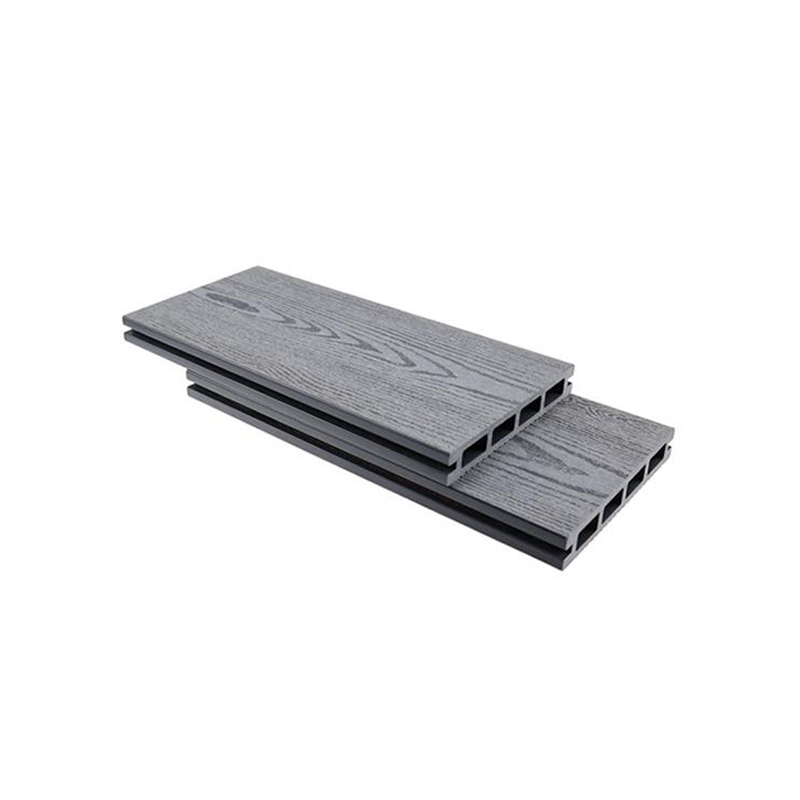
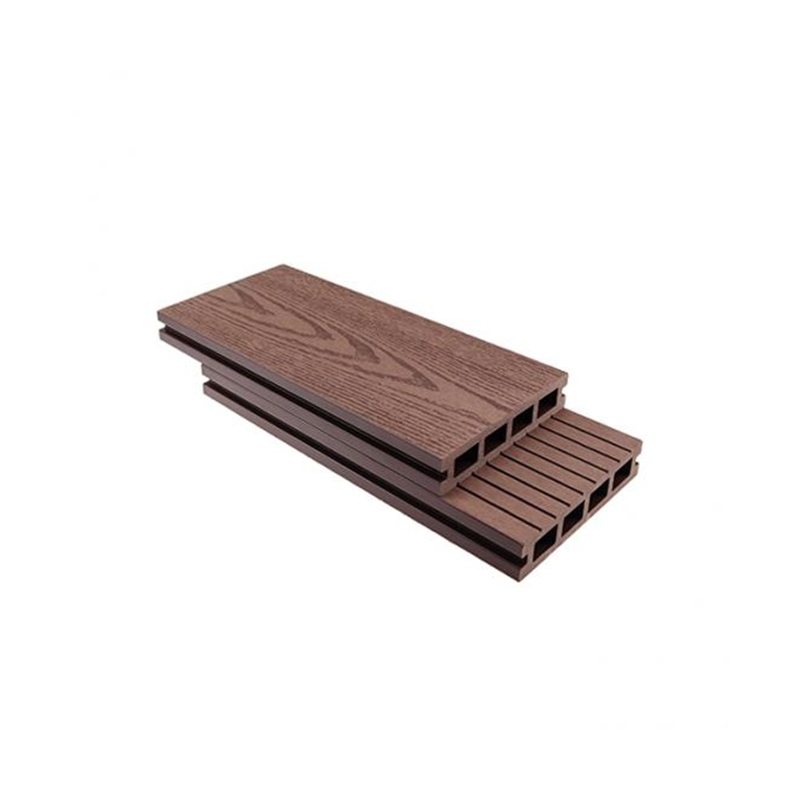
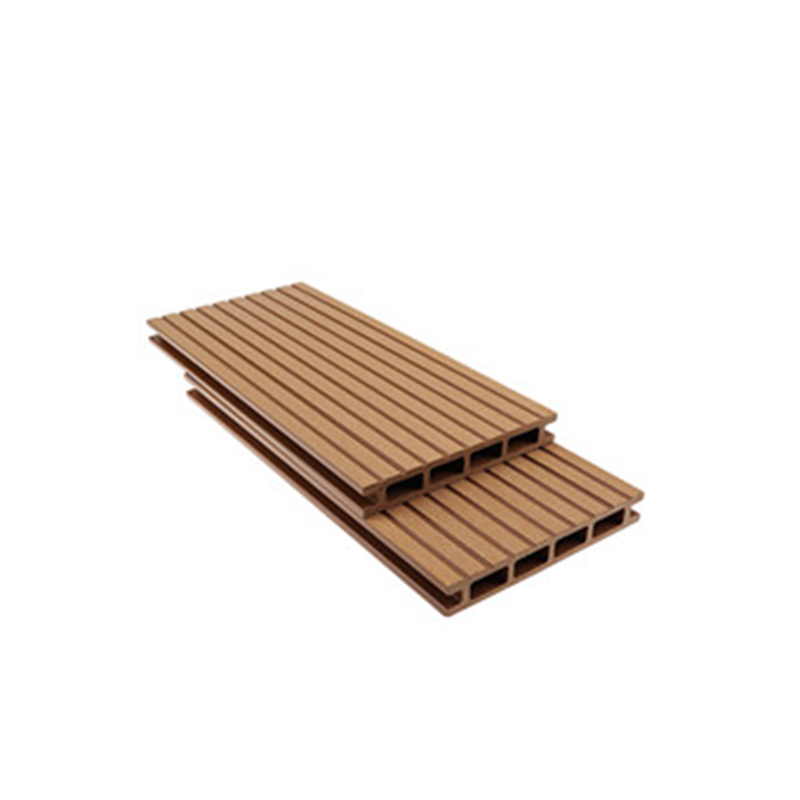
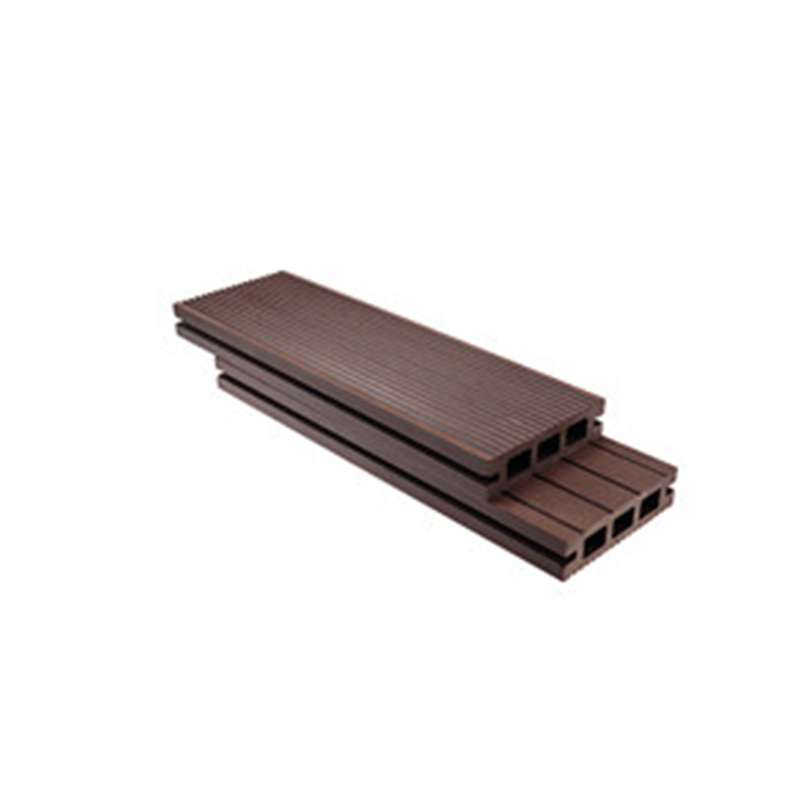
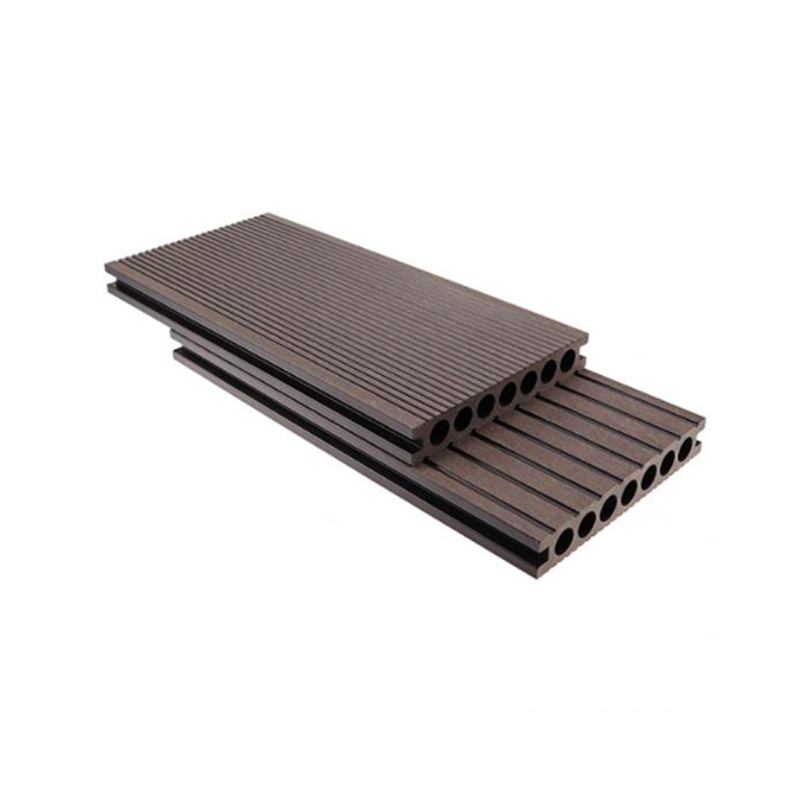
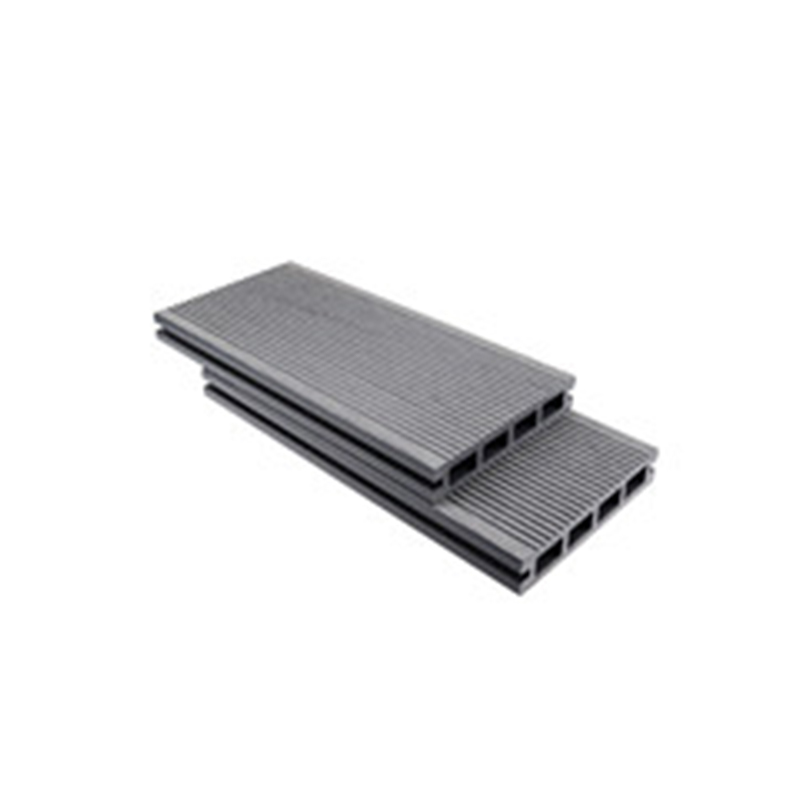
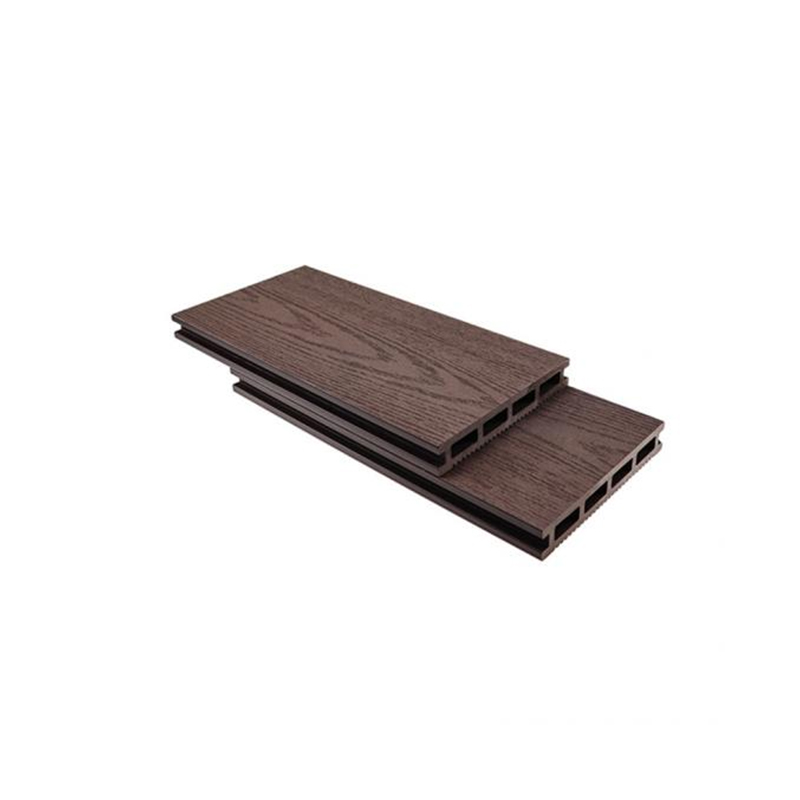
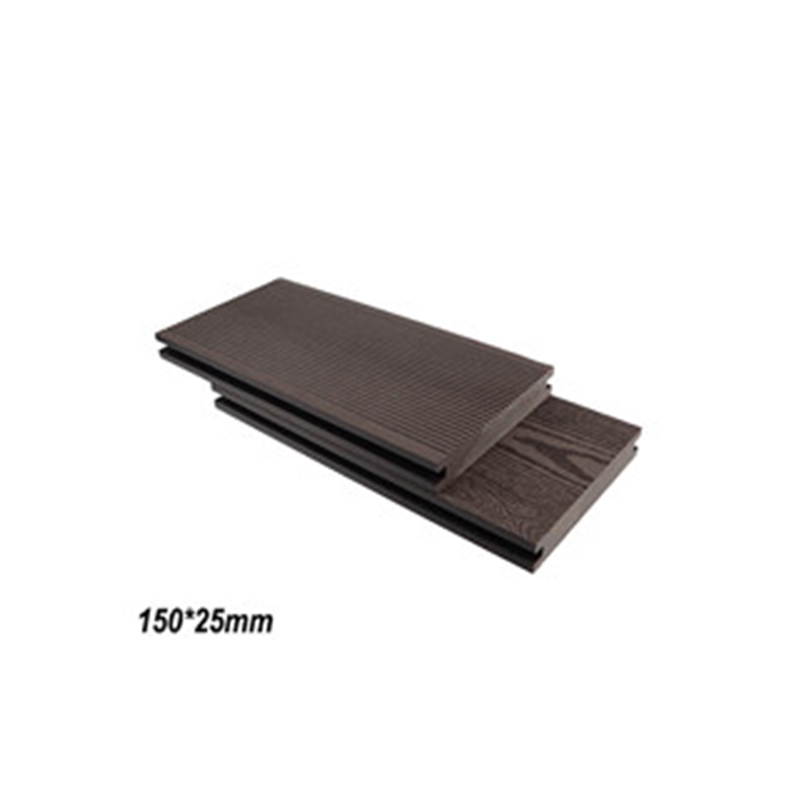
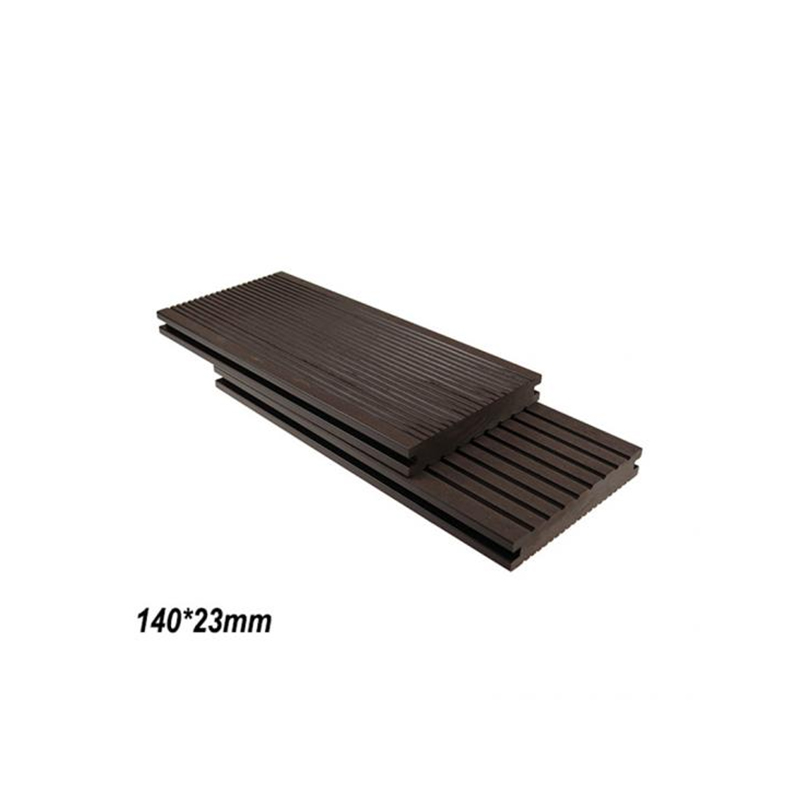
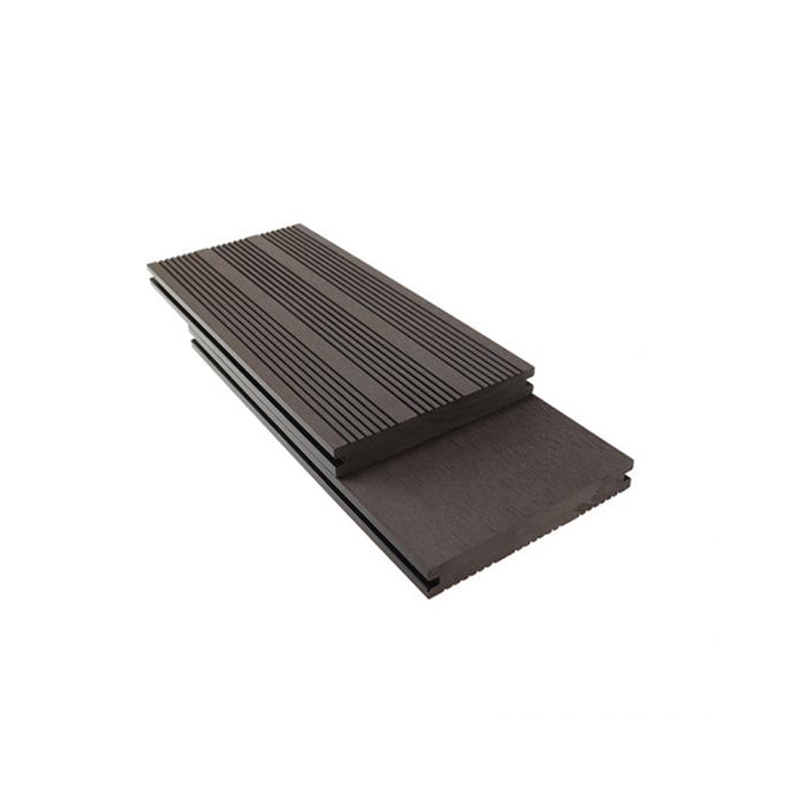
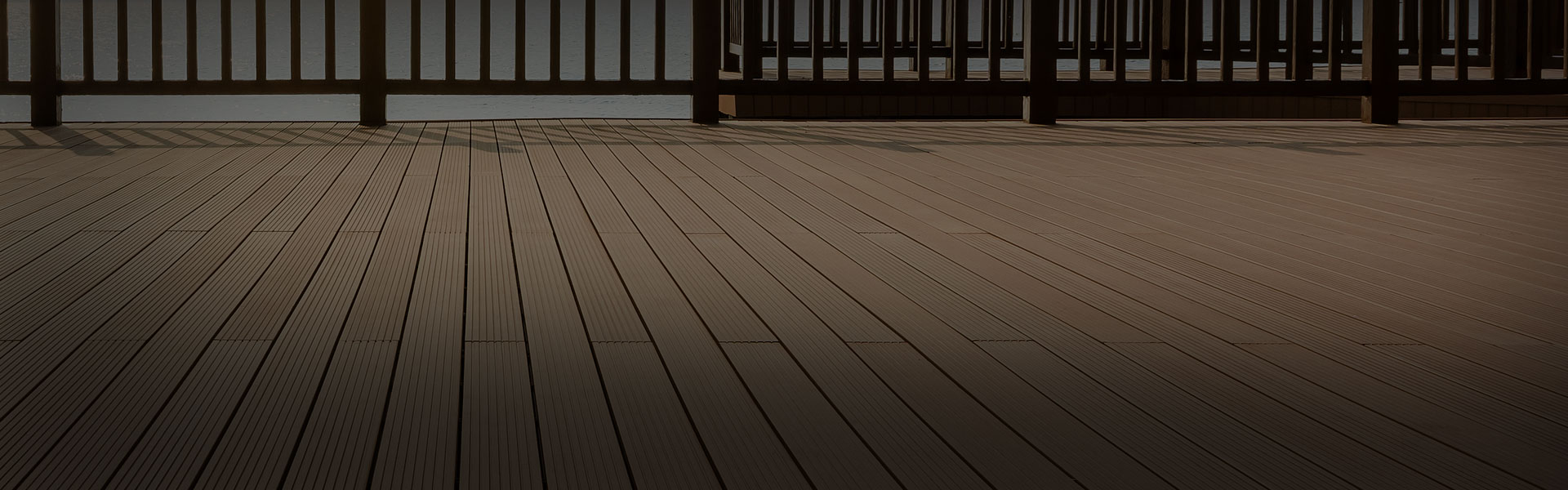
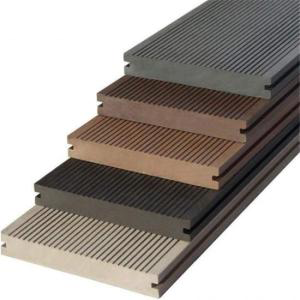
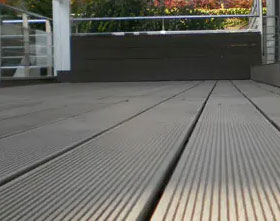
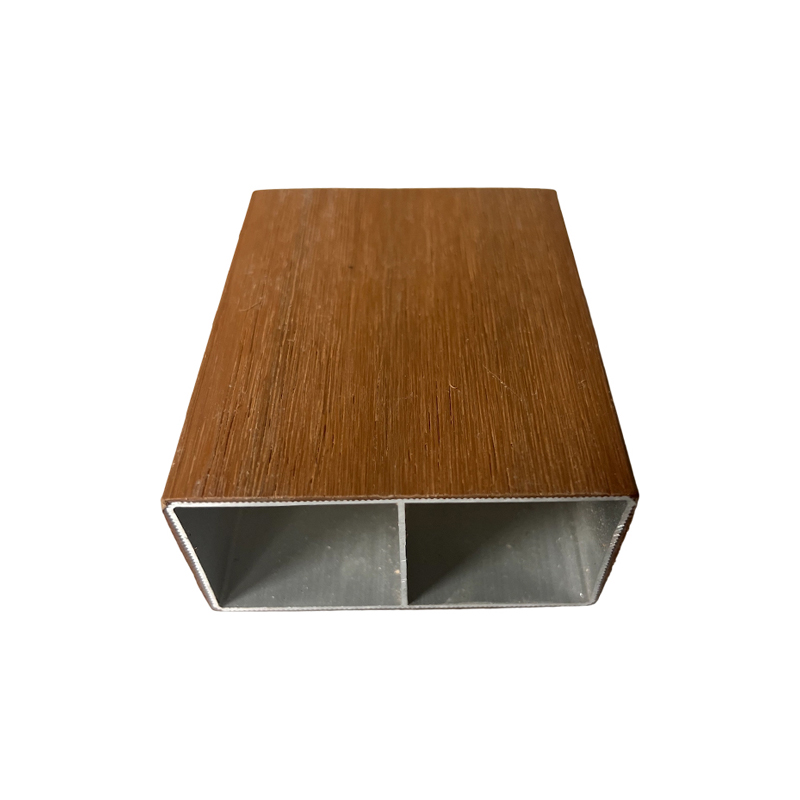
First-generation WPC (Wood-Plastic Composite) decking is an innovative building material designed for outdoor applications, combining the natural aesthetics of wood with the durability of plastic. This eco-friendly composite offers better resistance to ultraviolet (UV) radiation, minimizing color fading caused by prolonged sun exposure. Additionally, it is highly resistant to cracking, warping, and splitting, making it a long-lasting alternative to traditional wood decking. Unlike pure wood, WPC decking requires minimal maintenance, as it does not need regular painting, staining, or sealing. It also resists moisture, mold, and insect damage, further enhancing its suitability for decks, patios, and garden walkways. As an early stage in the evolution of composite decking, 1st generation WPC products laid the foundation for improved performance and sustainability in outdoor construction materials.
About us
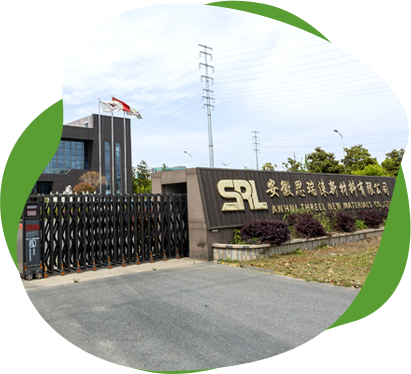
SRL WPC specializes in manufacturing environmental protection building materials. We mainly produce WPC(wood plastic composite), which is widely used for Decking, flooring, Fencing, Wall panels, Ceiling, railing, DIY deck tiles, Bench, Flower pot, Pergola, and so on.
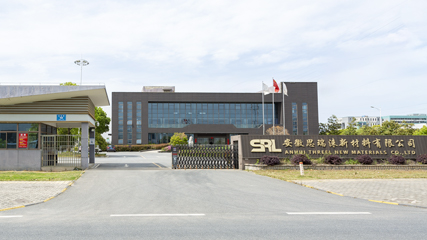
As China 1st Generation WPC Decking Suppliers and 1st Generation WPC Decking Company, ANHUI SRL NEW MATERIALS CO., LTD. is one of the rapidly growing manufacturers in China’s WPC market. It specializes in the research, manufacturing, and marketing of WPC materials.
Our factory is very near Shanghai/Nanjing/Hangzhou cities, located in Xuancheng city, Anhui province. The president and all the employees with high-quality products and better sales service give all the new and old customers a warm welcome with all sincerity.
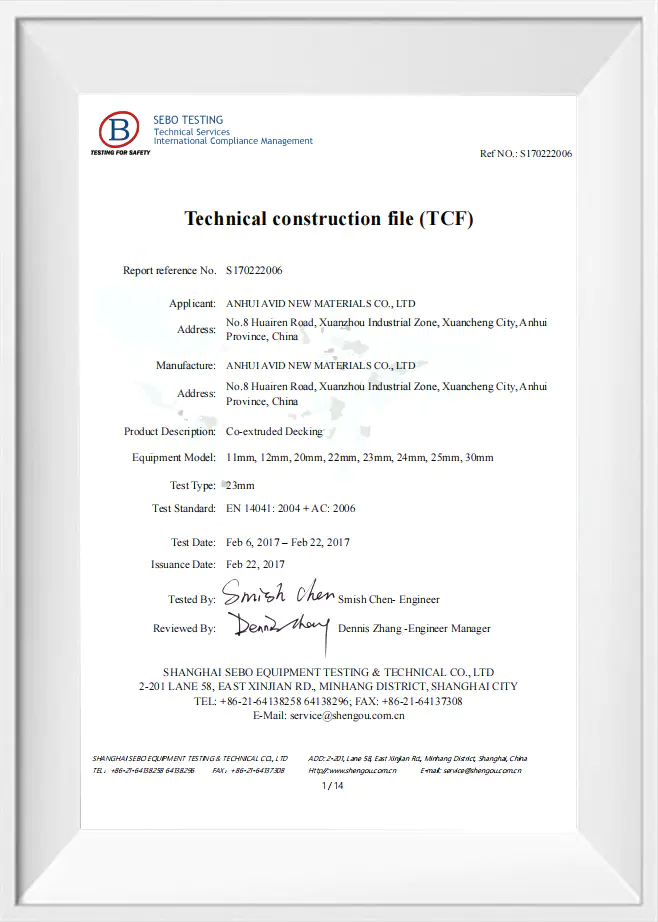
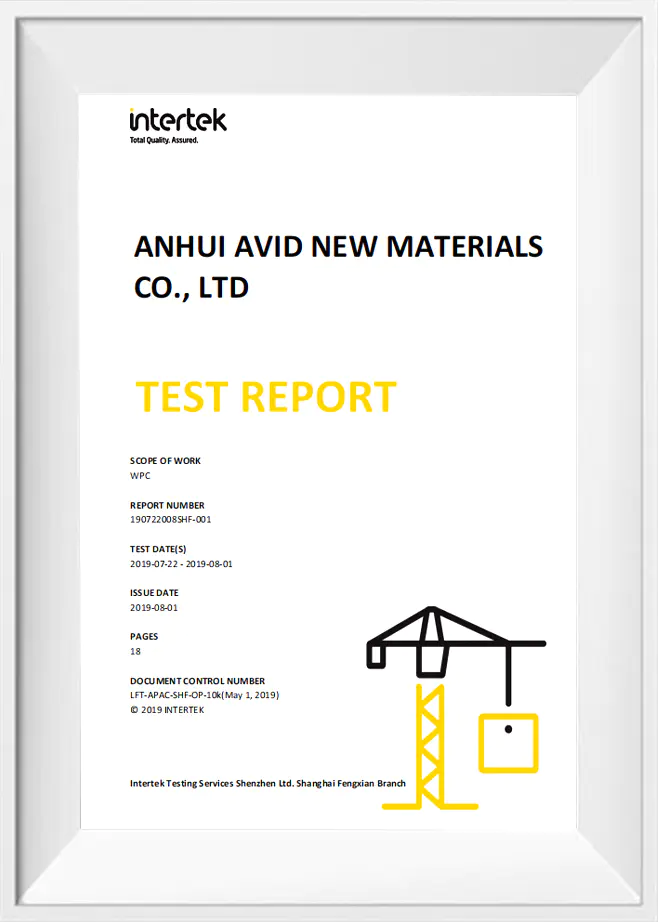
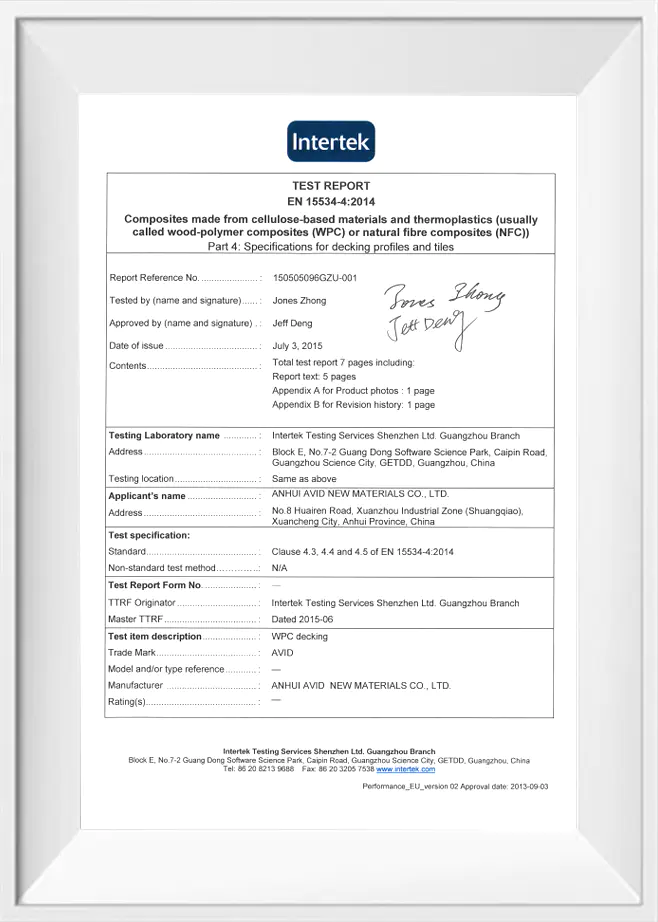
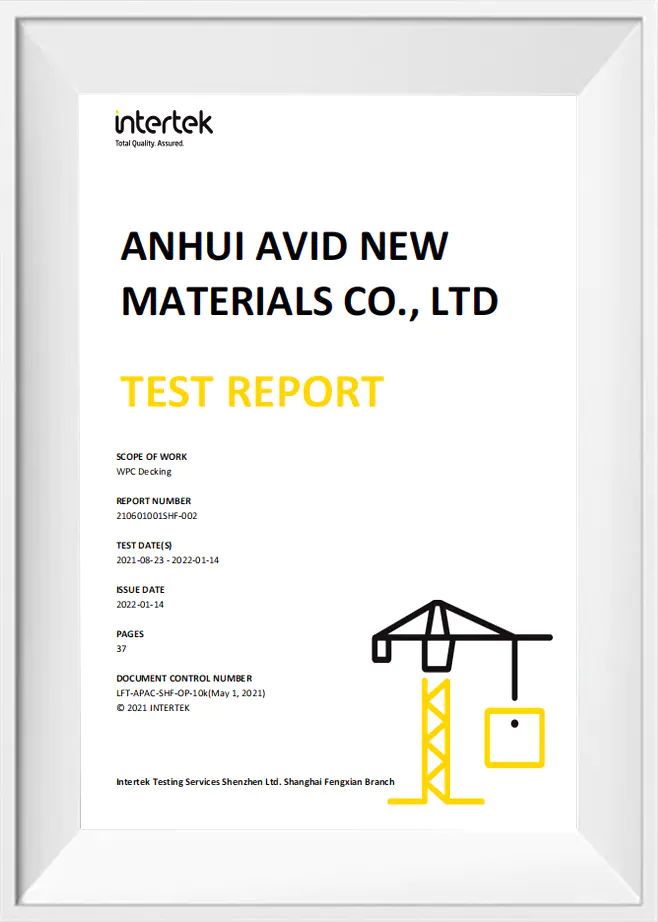
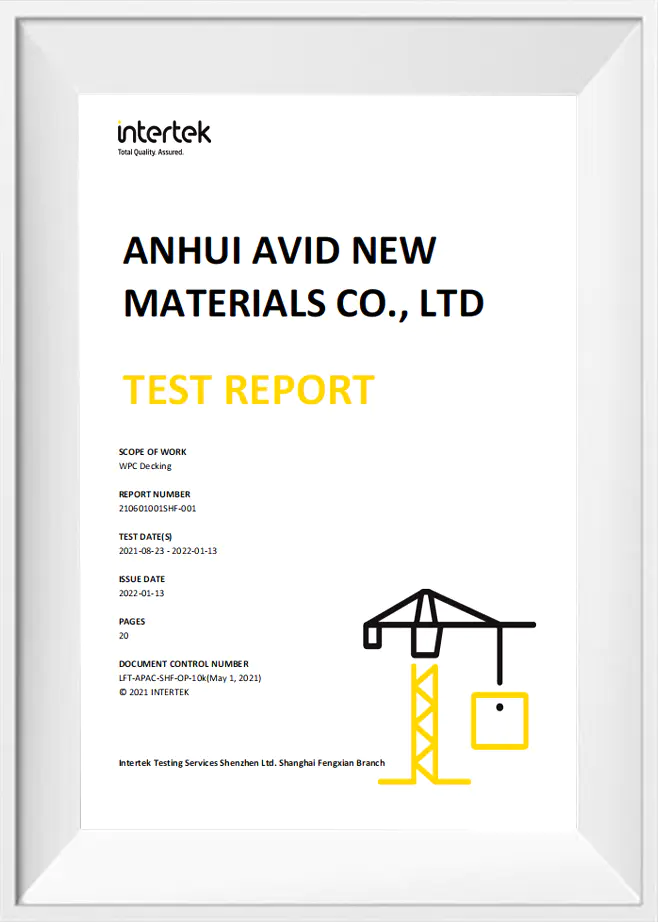
We had passed CE/SGS/EN15534/INTERTEK/ISO14001/ISO9001/FSC/TUV Certifications: USA/Spain/Australia/Russia/France/Germany/Korea are our main markets. We offer Wholesale 1st Generation WPC Decking.

factory area

production lines

employees

global customers served
certificate
threel NEWS

Is Your Deck Strong Enough for a Roof? You're standing on your deck in mid-July, squinting against the sun, wishing for shade. Or maybe you're watching rain pelt the boards, canceling the barbecue. Adding a roof solves that—yet your existing deck may not be ready for the extra weight. Before you dr...
Grill fires are not rare accidents reserved for careless cooks. According to annual fire incident data published by the National Fire Protection Association, U.S. fire departments respond to more than 11,000 home fires involving grills each year — and a significant share of those fires start right ...
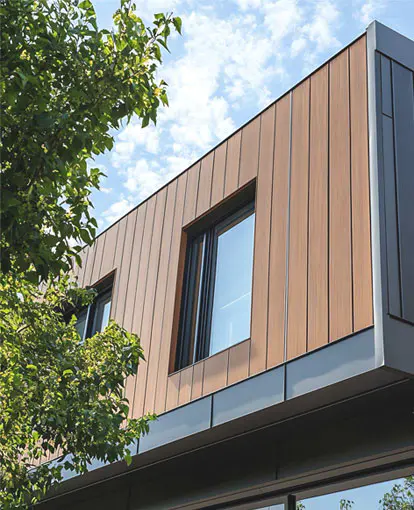
A fresh coat of paint refreshes a bedroom. New bedding updates the mood. But wall paneling changes the room's entire architecture—adding texture, depth, and a sense of permanence that no surface treatment can replicate. Whether the goal is a serene retreat, a dramatic focal point behind the bed, o...
How Additives Enhance the Durability and Performance of 1st Generation WPC Decking Materials?
When we talk about 1st Generation WPC Decking, most people think of its signature look—wood-like texture with the added strength of plastic. But what truly gives this material its long-lasting performance lies beyond the surface: it’s the carefully engineered mix of additives embedded in its structure. As a manufacturer with years of experience in outdoor composite materials, we know that the role of these additives is crucial. They are not just optional enhancements—they are essential to achieving the durability, stability, and overall weather resistance that WPC decking is known for.
In the early days of WPC production, engineers quickly realized that blending wood flour with thermoplastics alone wouldn’t guarantee a robust outdoor product. Without the right additives, issues like poor interfacial bonding, rapid UV degradation, and biological attack could undermine the integrity of the decking. To address this, first-generation WPC decking formulas began to include coupling agents, which promote adhesion between the polar wood fibers and the non-polar plastic matrix. These agents significantly improve the mechanical properties and dimensional stability of the composite, helping to prevent cracking, warping, and delamination over time.
UV stabilizers are another vital component in the additive package. One of the main concerns for any outdoor building material is prolonged exposure to sunlight. Without UV protection, surfaces can fade, become brittle, and lose structural strength. First-gen WPC decking addresses this with additives that absorb or block ultraviolet radiation, slowing the photo-degradation process. This not only helps preserve the color and texture of the boards but also extends the overall service life of the product—a key consideration for homeowners and developers alike.
Moisture resistance is one of the biggest selling points of wood-plastic composite decking, and additives play a big role here too. Anti-fungal and anti-microbial agents are blended into the material to inhibit the growth of mold and mildew, which can be a real issue in humid or shaded environments. These additives create a less hospitable surface for biological activity without the need for toxic treatments, offering a cleaner, safer solution that meets today’s environmental expectations.
Thermal stabilizers are equally important, especially during the manufacturing process. When wood fibers and plastic are subjected to high heat during extrusion, there’s a risk of thermal degradation, which can compromise the finished product’s appearance and strength. Stabilizers help maintain chemical integrity during processing, ensuring a more consistent material with better color retention and fewer defects. This translates to fewer rejects, better quality control, and ultimately, greater confidence for customers who choose first-generation WPC decking.
Another group of additives worth mentioning are lubricants and processing aids, which may not directly impact performance in use but are critical to achieving a smooth production run. These additives ensure that the material flows correctly during extrusion, reducing wear on equipment and resulting in more uniform board profiles. Consistency in thickness, surface finish, and groove alignment matters when it comes to installation efficiency and long-term deck performance.
Taken together, these additive systems form the unseen backbone of 1st Generation WPC Decking’s success. While the surface tells a story of natural beauty and wood-like appeal, it’s what’s inside the board that truly determines how well it stands up to years of sun, rain, and foot traffic. As a supplier deeply involved in R&D and production, we design our WPC decking with these technical layers in mind to offer a product that’s not just attractive but reliable and built for the real world.
Whether you’re a contractor, architect, or homeowner looking for a practical decking solution, understanding the importance of these additives can guide smarter purchasing decisions. It’s not just about how the board looks on day one—it's about how it performs over time. And when it comes to dependable, well-engineered outdoor materials, first-generation WPC decking continues to prove that thoughtful design makes all the difference.
ANHUI SRL NEW MATERIALS CO., LTD.







 English
  Français
  Español