-
+86-0563-3016803
-
+86-18722009278
-
-




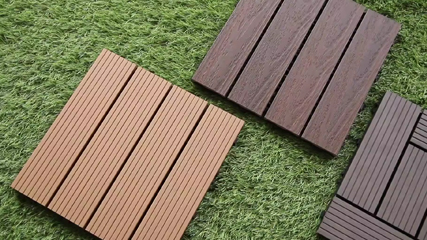
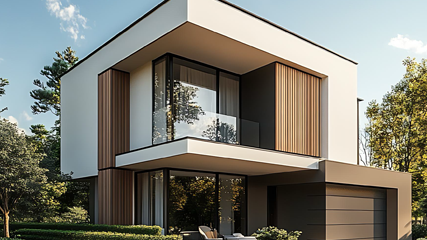



Select the product you want







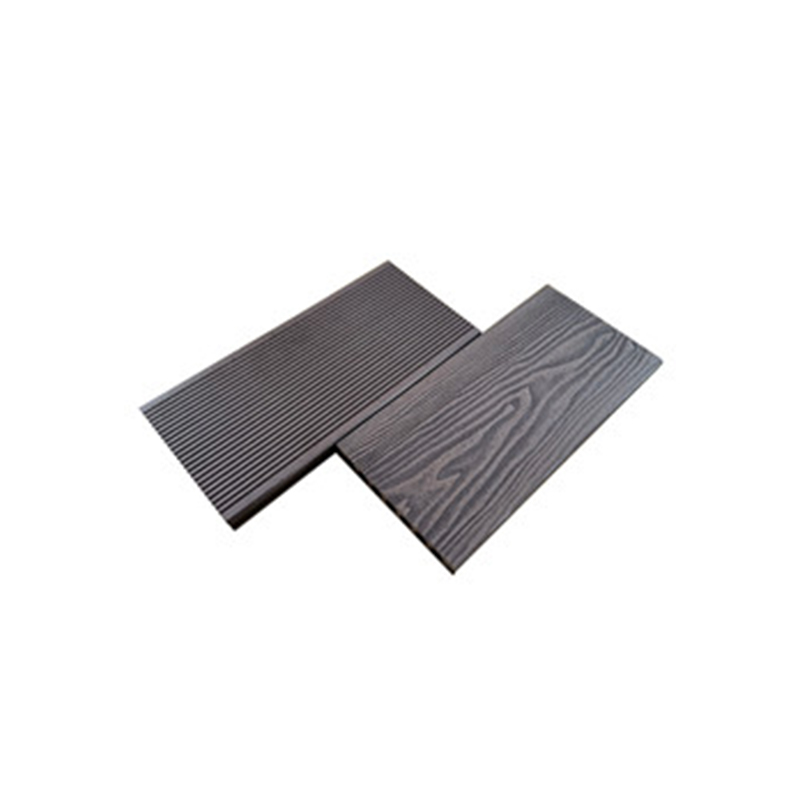
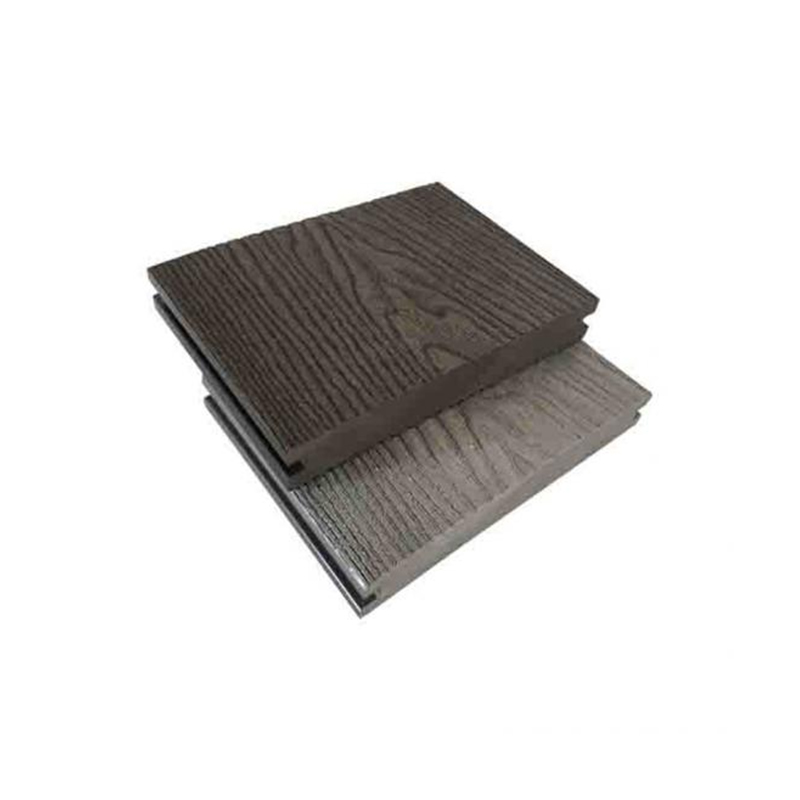
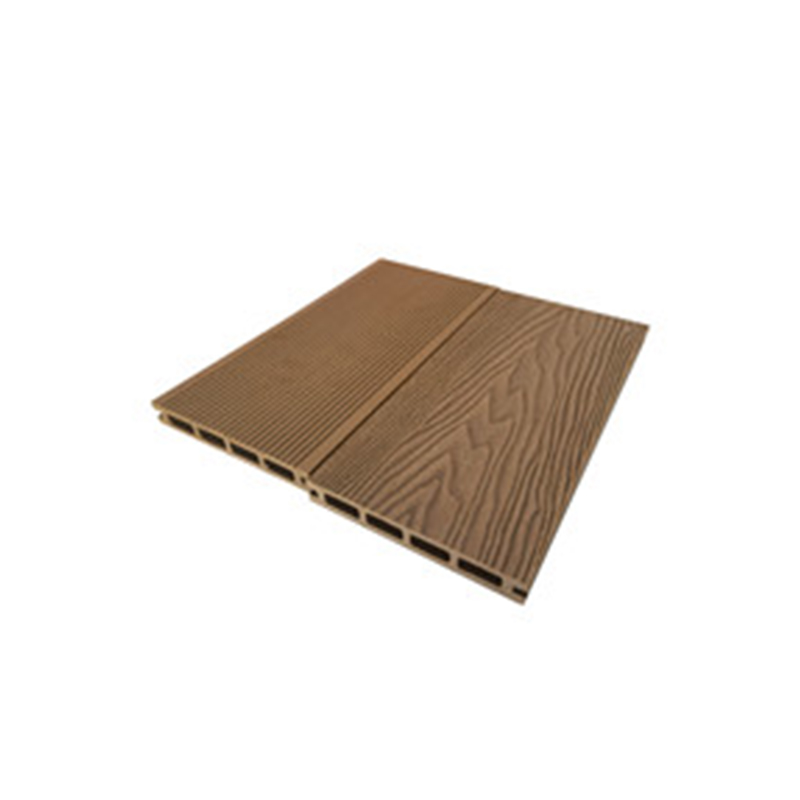
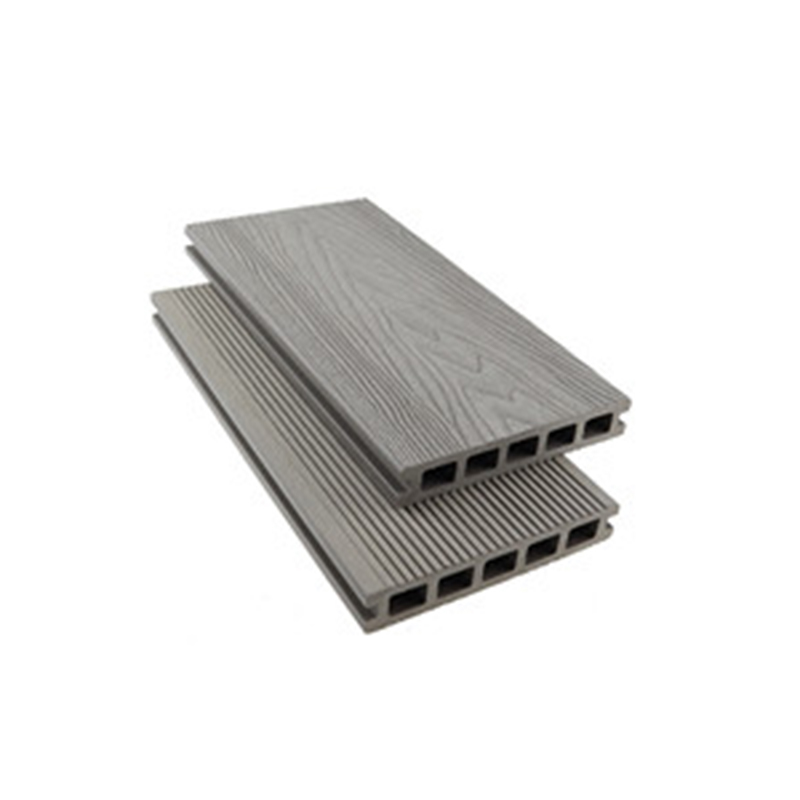
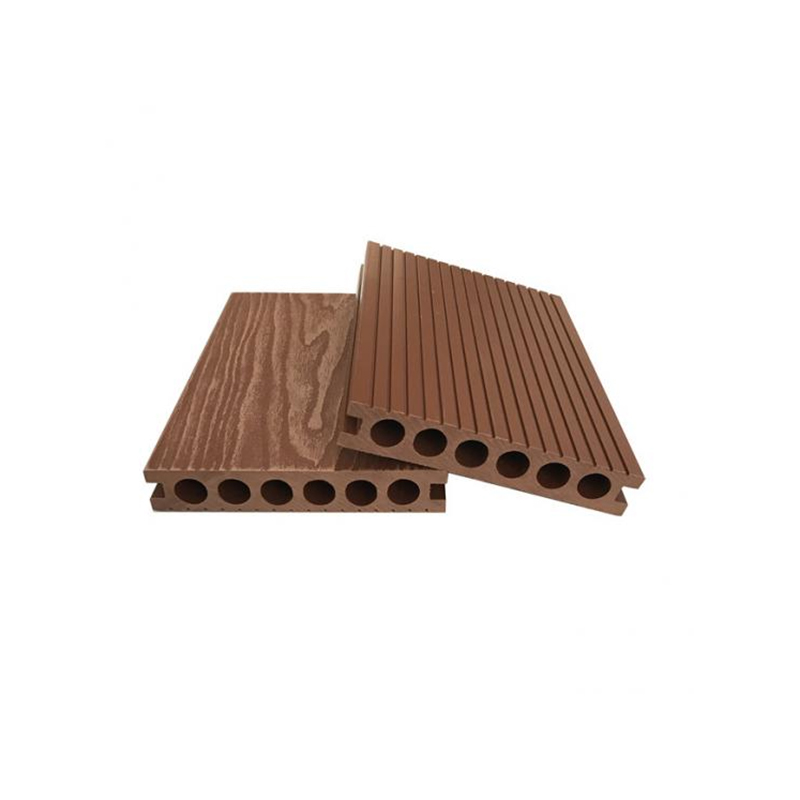
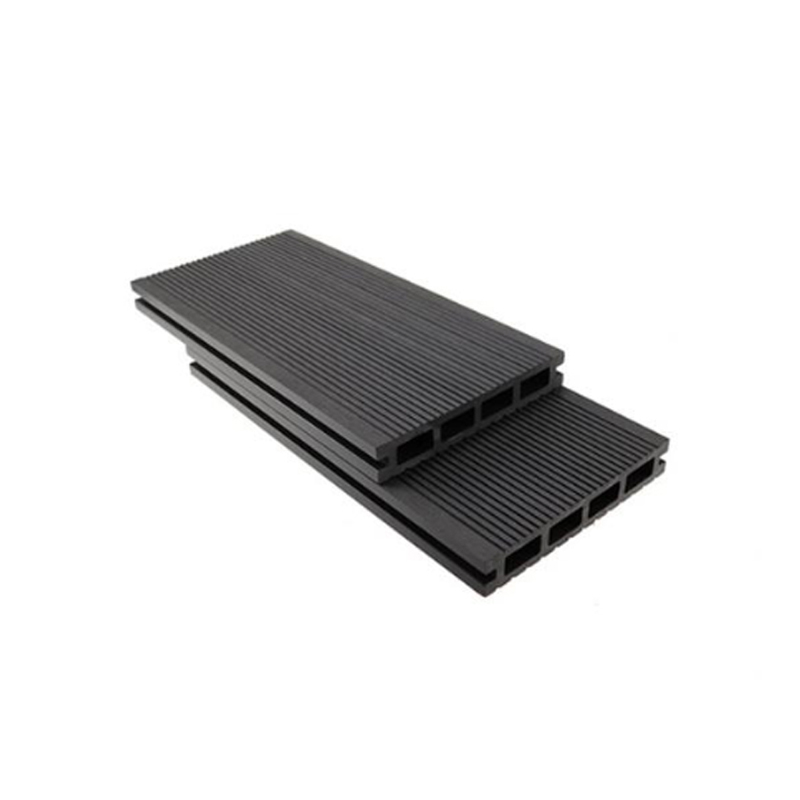
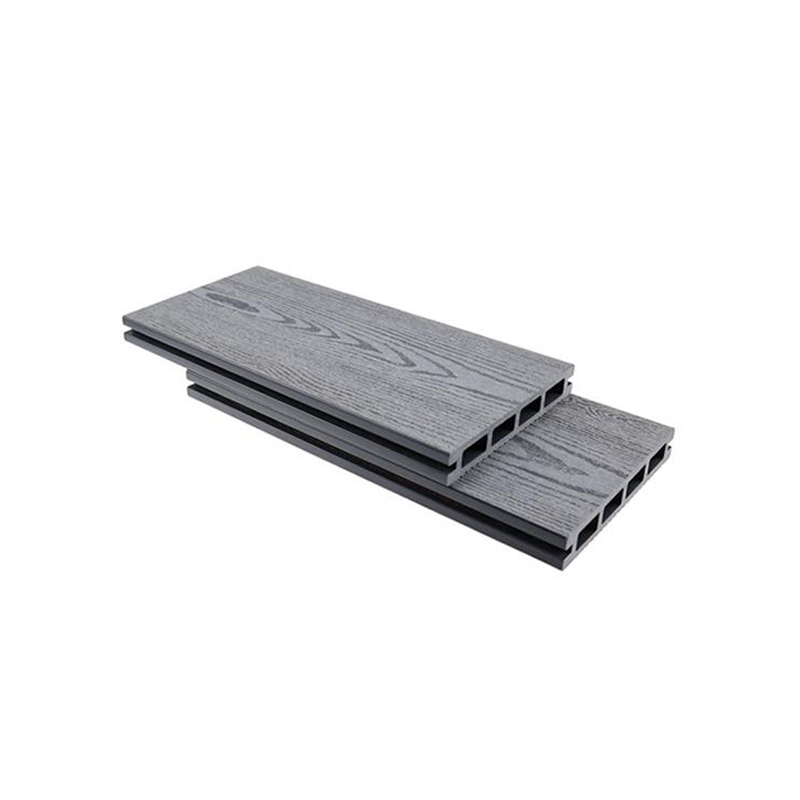
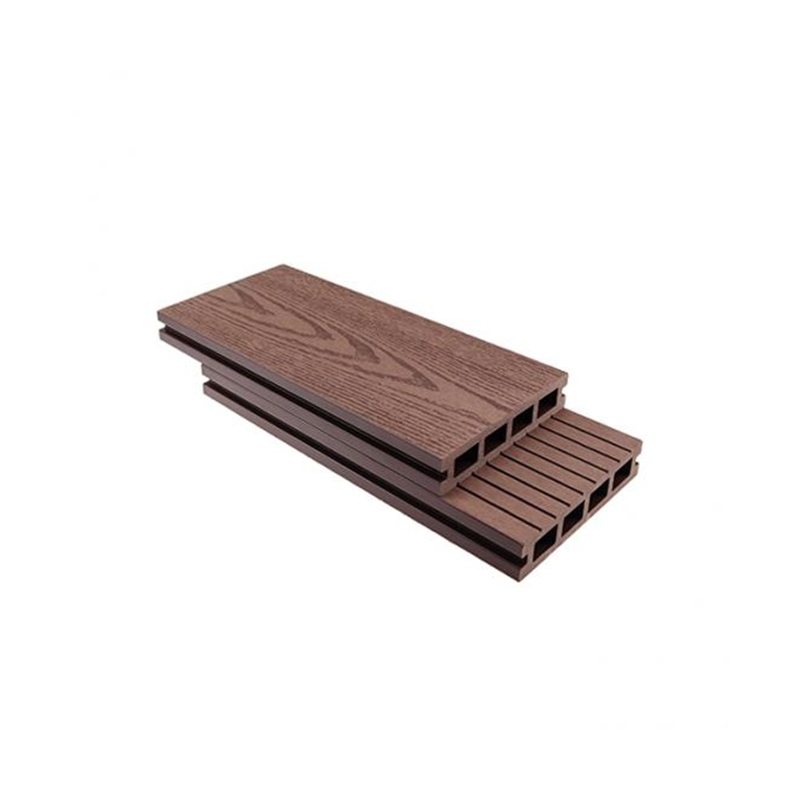
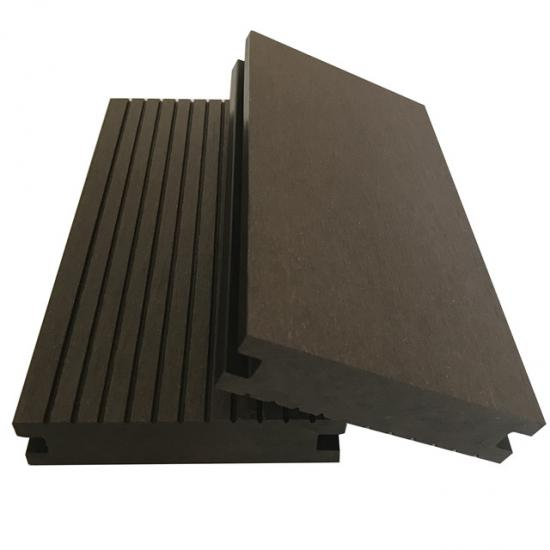
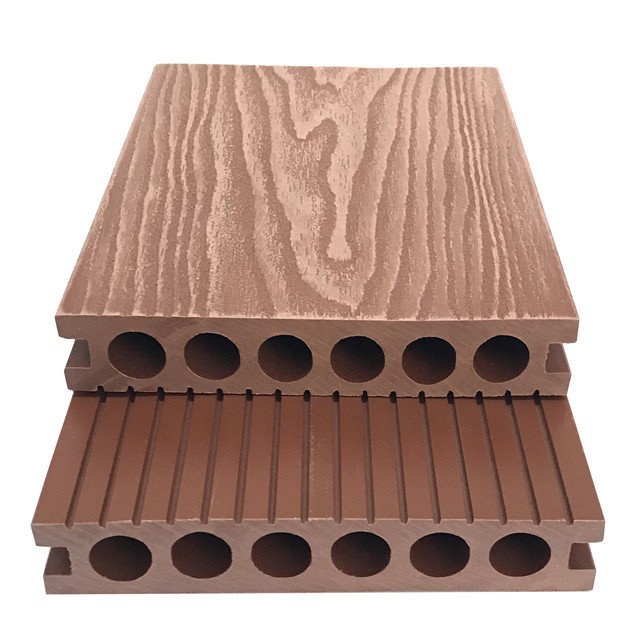
Co-extrusion decking represents the latest innovation in the wood composite product line. This advanced technology involves a co-extrusion process in which a high-performance capping layer is permanently bonded to the core material during manufacturing. The result is a durable, high-quality decking board that offers better protection and enhanced aesthetics.
The capped surface is composed of a specially formulated polymer material, which not only provides better resistance to fading, staining, and moisture but also enhances the board’s overall strength and longevity. Thanks to this innovative cap layer, co-extrusion decking maintains its vibrant appearance and structural integrity even under harsh weather conditions and heavy use.
About us
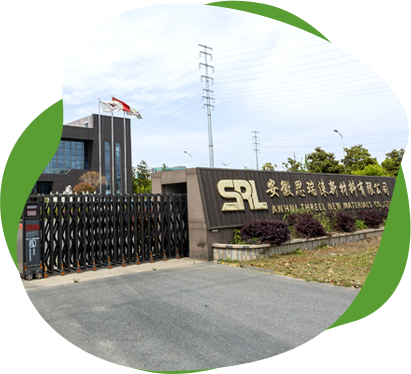
SRL WPC specializes in manufacturing environmental protection building materials. We mainly produce WPC(wood plastic composite), which is widely used for Decking, flooring, Fencing, Wall panels, Ceiling, railing, DIY deck tiles, Bench, Flower pot, Pergola, and so on.
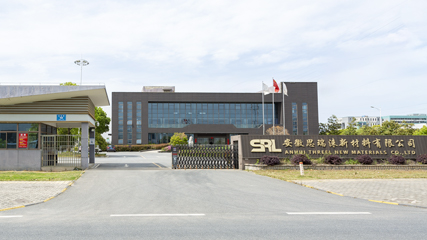
As China 3D WPC Embossed Decking Suppliers and 3D Embossed Composite Decking Company, ANHUI SRL NEW MATERIALS CO., LTD. is one of the rapidly growing manufacturers in China’s WPC market. It specializes in the research, manufacturing, and marketing of WPC materials.
Our factory is very near Shanghai/Nanjing/Hangzhou cities, located in Xuancheng city, Anhui province. The president and all the employees with high-quality products and better sales service give all the new and old customers a warm welcome with all sincerity.
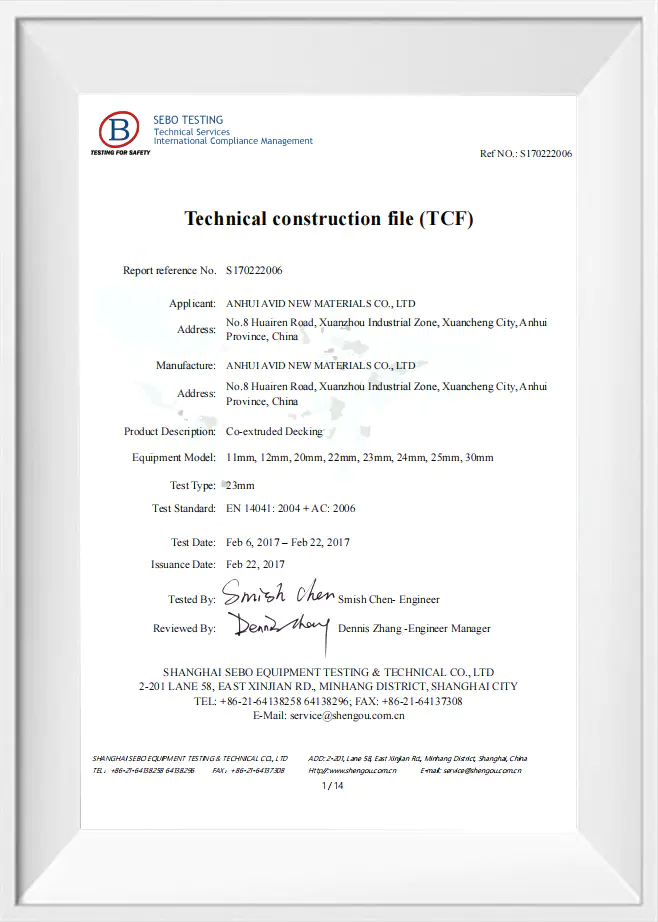
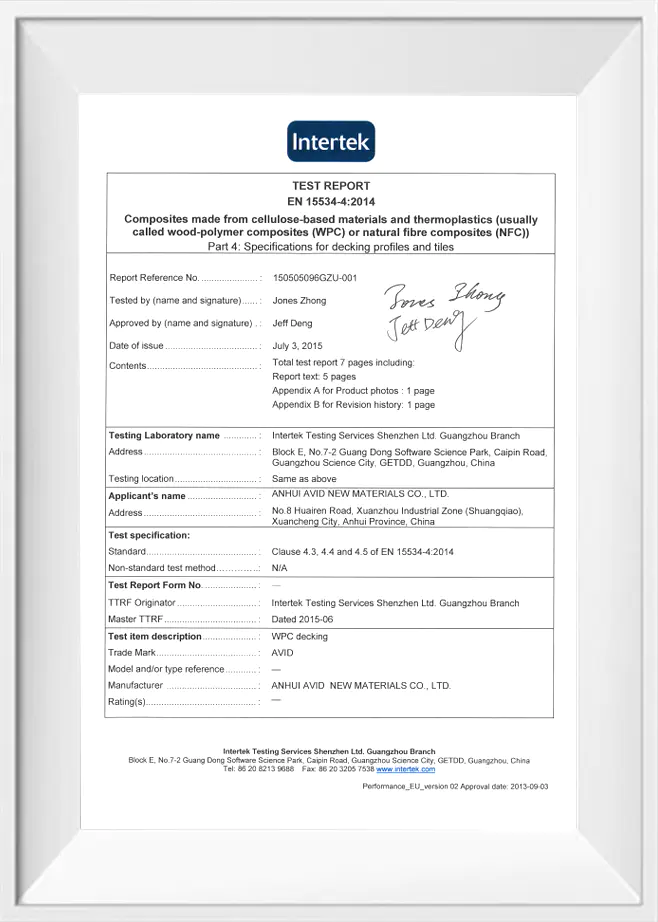
We had passed CE/SGS/EN15534/INTERTEK/ISO14001/ISO9001/FSC/TUV Certifications: USA/Spain/Australia/Russia/France/Germany/Korea are our main markets. We offer Wholesale 3D WPC Embossed Decking.

factory area

production lines

employees

global customers served
certificate



threel NEWS

What Is Deck Joist Spacing and Why Does It Matter? Deck joist spacing is the distance between the centers of two adjacent horizontal framing members—the joists—that support the deck boards. Measured “on center” (OC), this dimension controls how much weight the floor can carry, how it feels underfoo...
A waterlogged 2x6 laid directly on soil fails in under three years. Yet thousands of flush ground level decks are still built that way. The gap between what works and what rots comes down to a handful of decisions you make before a single board goes down. A flush ground level deck sits at or barely...
Is Your Deck Strong Enough for a Roof? You're standing on your deck in mid-July, squinting against the sun, wishing for shade. Or maybe you're watching rain pelt the boards, canceling the barbecue. Adding a roof solves that—yet your existing deck may not be ready for the extra weight. Before you dr...
Best Practices for Installing Co-Extrusion Decking in High-Traffic Commercial Spaces with Lasting Results
When it comes to outdoor surfaces in busy commercial settings—whether it’s a hotel terrace, boardwalk, or a rooftop café—the quality of the decking installation makes all the difference. Co-extrusion decking has quickly become a preferred solution for architects and contractors seeking durability, visual appeal, and low maintenance. But achieving optimal performance from these advanced materials requires more than just selecting the right product; understanding how to properly install co-extrusion decking in high-traffic environments is essential to ensuring longevity and structural integrity.
Unlike traditional wood, co-extrusion decking consists of a composite core and a tightly bonded polymer cap layer that protects it from moisture, UV damage, and wear. This makes it well-suited for areas with heavy foot traffic, but the load-bearing performance of the underlying substructure must be carefully considered. Spacing between joists, for example, should be tailored to the specific thickness and flex tolerance of the decking boards. Using undersized framing or failing to provide sufficient support under seams and joints can lead to bounce, sagging, or long-term fatigue in the material.
Another important aspect is ventilation. In commercial installations where airflow beneath the deck is restricted—such as in rooftop bars or poolside lounges—moisture buildup can compromise not only the decking but also the integrity of the framing system. Proper airflow design, through spacing and layout considerations, helps the boards dry quickly and reduces the chance of warping or expansion-related movement. This is especially crucial for 3D WPC embossed decking, which, while highly water-resistant, still benefits from balanced environmental exposure to maintain its shape and appearance.
Surface texture also plays a practical role in high-traffic scenarios. For example, 3D embossed composite decking, with its realistic woodgrain finish and deeper patterning, provides superior slip resistance compared to flat or brushed alternatives. This is not just a cosmetic feature—it directly contributes to safety, especially in environments prone to spills or rain. At the same time, installers should account for board orientation and water runoff patterns to avoid pooling, which can degrade performance over time if not managed correctly.
Fixing methods also vary depending on the level of foot traffic and exposure. Hidden fastener systems are widely used in commercial settings for their clean look, but they must be compatible with the board profile and rated for structural performance. Face fastening, while less common in premium applications, may still be appropriate in areas where extra holding strength is required, particularly at the edges or transition zones. Choosing stainless steel or coated fasteners will prevent corrosion and maintain a neat appearance in the long term.
It’s worth noting that thermal expansion can be more pronounced in areas with large, exposed deck surfaces. Planning for board movement—both end-to-end and across the width—is critical. Expansion gaps should be calculated according to regional temperature ranges and manufacturer guidelines. Installers working with advanced co-extruded materials, especially those with dense cap layers like those found in many 3D WPC embossed decking boards, need to pay special attention to the behavior of the outer shell to avoid edge distortion or buckling.
The most successful commercial installations typically follow a product-specific installation guide while also drawing from hands-on experience. An experienced contractor will understand the small nuances—how to stagger joints for visual continuity, how to lay out patterns to guide foot traffic, and how to finish edges cleanly for a polished, professional result. For commercial buyers, choosing a supplier who not only provides high-quality 3D embossed composite decking but also supports the installation process with technical expertise is a smart long-term investment.
In a competitive market, small details matter. While co-extrusion decking offers built-in advantages in strength, color retention, and low maintenance, only a well-executed installation will unlock its full commercial value. Whether you're designing a busy café deck or a public boardwalk, pairing the right product with best-practice installation techniques ensures performance that truly lasts—and helps your project stand out for all the right reasons.
ANHUI SRL NEW MATERIALS CO., LTD.







 English
  Français
  Español